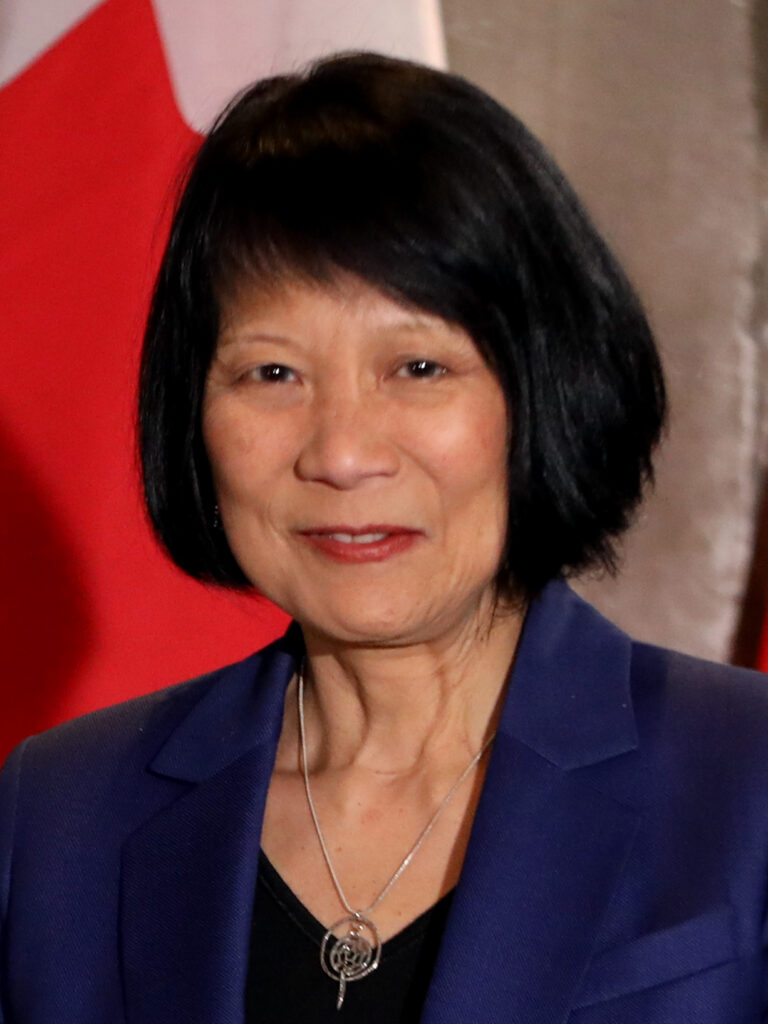
Toronto Mayor Olivia Chow will not sit on the board that oversees the city’s police, for the second term running. She said so in a letter to the council committee that makes appointments, and the letter gave no reason.
The seat is reserved for the mayor, and it matters most to the residents police stop and restrain most. Toronto police’s own race-based data, released in 2022, found that Black people were involved in 39.4% of use-of-force incidents. The Ontario Human Rights Commission puts Black people at 8.8% of the city’s population. Its final report in December 2023 found that Black people face systemic racial discrimination, racial profiling and anti-Black racism across their dealings with the Toronto Police Service.
Chow also kept the same deputy mayors she finished her first term with. Ausma Malik remains first deputy mayor, with three regional deputies. The mayor was expected to hold a news conference before council met Thursday afternoon. The reports available when this was written carried no explanation from her.
Councillor Brad Bradford, who ran against her for mayor, made the seat an issue. His motion asked the next mayor to take it and pointed out that John Tory, Mel Lastman and David Miller all had. “She chose to give up her say when it comes to how many police officers the service hires,” Bradford said, as NOW Toronto reported.
Bradford’s argument is about headcount, and it is the weaker one. The stronger reason to want a mayor at that table is the data above: Black Torontonians are 8.8% of residents and nearly four in ten of the people police use force on. A mayor who sits on the board can ask, in the room where policing is decided, why the same people absorb that share of the force, and can be held to the answer. A mayor who stays away cannot.
Chow has now declined the seat in two terms, and she has yet to say publicly why.
Have your say