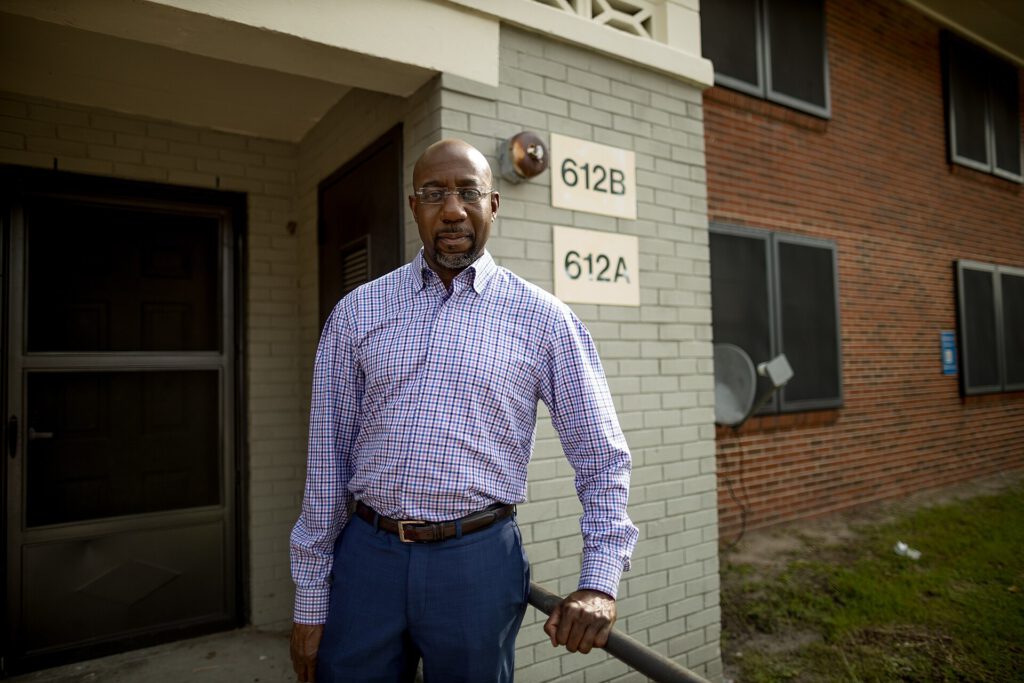
Georgia’s two Democratic senators voted yes when the permitting bill was moving forward on Monday. On Thursday night, when it counted, both voted no. The Senate passed it anyway, 62 to 33.
Raphael Warnock and Jon Ossoff were two of six senators who switched from yes on the Nov. 16 procedural vote to no on final passage, along with Richard Blumenthal, Kirsten Gillibrand, Jeanne Shaheen and Andy Kim. Forty-seven Republicans and 15 members of the Democratic caucus voted yes. The Bipartisan American Affordability and Jobs Act speeds approval of power plants, pipelines and transmission lines, and it limits how far courts can go in pausing a project over its environmental review.
Warnock said he supports permitting reform but wanted clean-air and water safeguards and a say for local residents over data centers. He had hoped, he said, that “a robust amendment process could’ve addressed these shortcomings.” It did not come. “I believe we can get a better bill when a new Congress is sworn in this January,” he said.
Here is why that matters in Georgia and across the South. Capital B has reported that the rural South, home to a disproportionate share of Black communities, has seen the largest growth in big data centers, that developers have eyed Black areas after white towns said no, and that more than 200 new gas plants tied to the AI buildout are rising disproportionately near Black neighborhoods, with the asthma and cancer risk that comes with them. A bill that limits the courts’ power to stop a project lands first on the people who already live next to the plant.
The 15 Democratic yes votes include Sens. Gary Peters and Elissa Slotkin of Michigan. Rep. Scott Peters, a California Democrat, defended the deal: “There will be no better deal on the table…bipartisanship is unavoidable, whether it’s this Congress or next.” Backers also point to faster transmission lines, which they say will help lower power bills and put clean energy on a more even footing with fossil fuels.
Opposition came from several directions. The Natural Resources Defense Council called the bill “unacceptable.” Sen. Catherine Cortez Masto, a Nevada Democrat, voted no over historic-preservation changes she said “undermine Tribal sovereignty and consultation.” Sen. Josh Hawley, a Missouri Republican, objected over farmers’ land rights.
Warnock and Ossoff were right to stop at the vote that counted. But the 15 Democrats who voted yes show how little a handful of no votes could do, and nobody got the amendments that would have given Black neighborhoods a voice before the next plant or data center is sited.
No House vote is scheduled. Speaker Mike Johnson has said the House has the votes to pass the Senate text, but that is his claim, not a count. Any change the House makes sends the bill back to the Senate, and House Democrats, who take the majority in January, can still insist on the local-input and clean-air protections Warnock asked for.

Have your say