A Black student in California who wants a historically Black college has one option: leave. The state has the fifth-largest Black population in the country and not a single HBCU, so those students pack up for campuses across the country and pay out-of-state tuition when they get there.
Oakland wants to change that. On Wednesday, HR&A Advisors released a feasibility study for the city’s HBCU task force that says a West Coast satellite campus of an existing HBCU could work in Oakland. The advisers propose a pilot program by 2028 and a permanent campus by 2030, starting with work-based learning of the kind Vanderbilt and Carnegie Mellon have recently set up in the Bay Area.
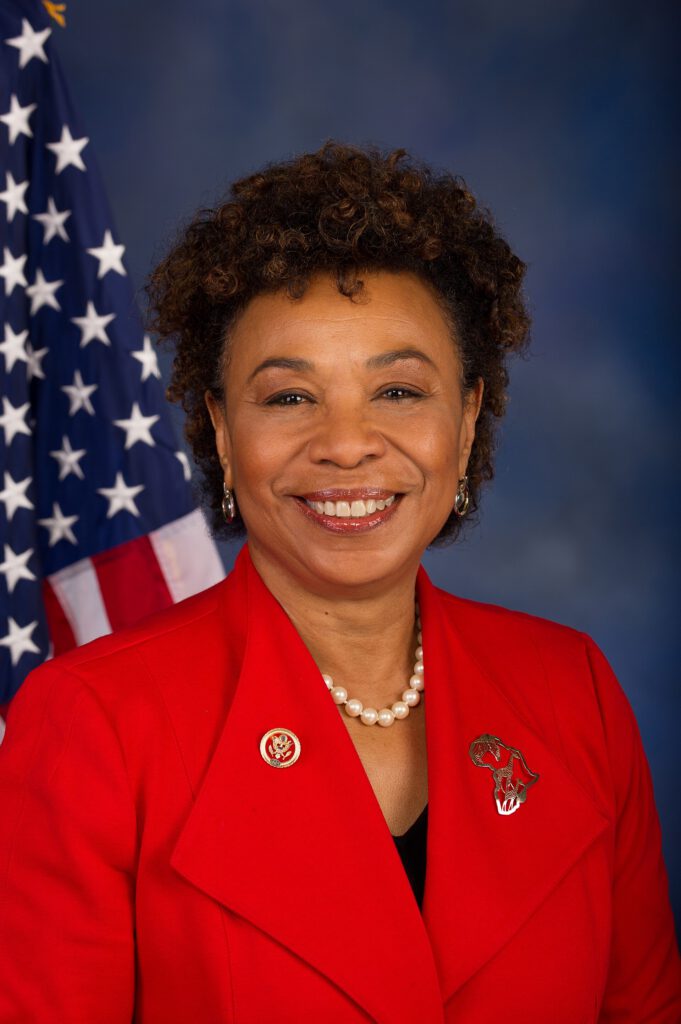
The city has its own reasons to want it. Oakland’s Black population has fallen from about 40% to about 20%, Mayor Barbara Lee told KQED, a drop she measures from the time she entered Congress. A campus would offer what she called “culturally relevant education” to students the city is still losing. “Oakland’s young Black students deserve the best, and HBCUs are the best,” Lee said.
The study points to the region’s professional industries, Oakland’s cultural weight and a possible partnership with the Peralta Community College District, which could give community college students a path to a four-year HBCU degree. Derek Fleming, a senior adviser at HR&A, said the project “can expand access to higher education, create pathways to quality careers, and catalyze new economic activity and investment in Oakland.”
The hard part is still ahead. No HBCU has committed. Morris Brown College and Paul Quinn College have said before that they were interested in expanding to California, but neither is signed on to this effort. Howard University, the country’s top-ranked private HBCU, made a site visit and spent months in talks with the task force. KQED reported that leadership transitions at Howard have since paused that momentum.
The task force is a volunteer effort, run as a fiscally sponsored project of the Oakland Fund, not a funded plan. That matters, because a pilot in 2028 needs a partner school, a building and money, and the study does not supply any of the three.
It should not take a study to notice what is missing. For decades Black California has sent its children east and south for the kind of college experience the state never built for them. A city whose Black share of the population has fallen by half is now asking a college to come to it. The state and the city should be at the table with money when a school says yes.
The next test is whether a school does. Until one signs, the 2028 date is a hope.
Have your say