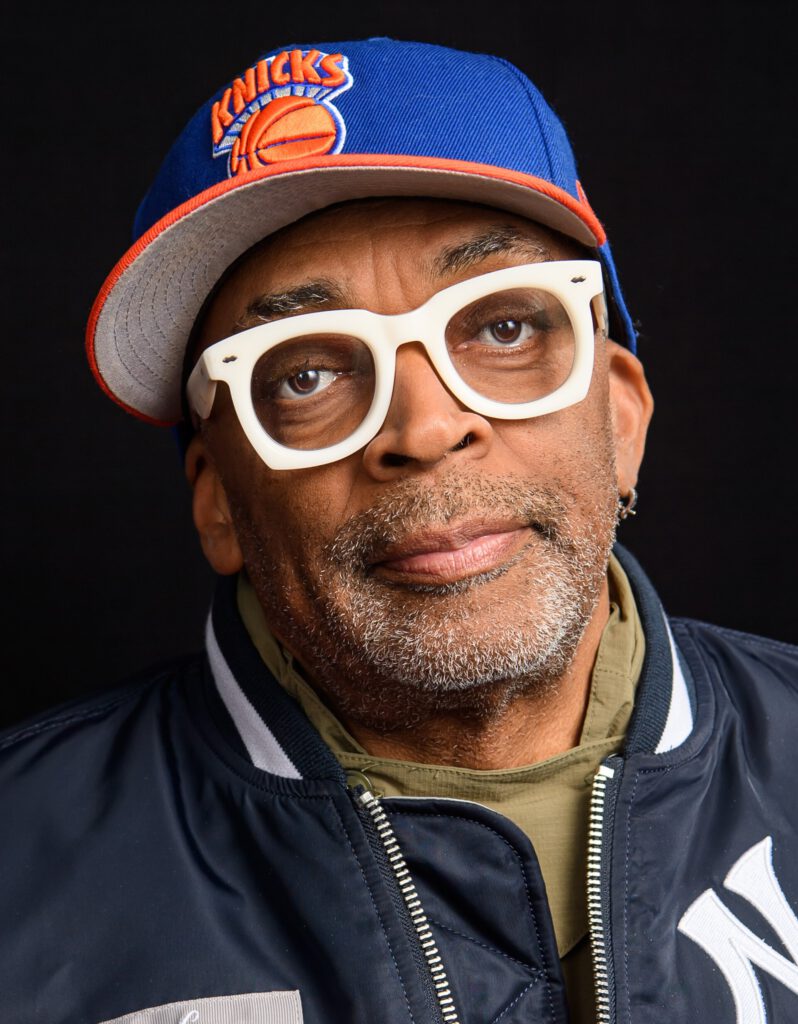
Warner Bros. let a completion bond company take over Spike Lee’s “Malcolm X” in 1992. The company sent registered letters halting post-production and dismissed the film’s editor, Barry Brown. What finished the movie was money from Black people who had it. It opened 34 years ago today.
Lee had refused to cut the 201-minute film down to two hours. Studio executives and the bond company had expected the approved budget to run short from the start, and when it did, Lee put in half his own salary. Then, as he has told it since, he went looking for other sources. “I know some Black people that got money! And I’ve got their phone numbers,” he said, in an interview marking the film’s 30th anniversary.
Eight people answered: Bill Cosby, Michael Jordan, Magic Johnson, Oprah Winfrey, Prince, Janet Jackson, Tracy Chapman and the collector and educator Peggy Cooper Cafritz. The donors asked that the amounts stay private, and no figure has been published. Lee has said the gifts came with no strings. “They couldn’t get any money back. It wasn’t a tax write-off. This had to be like, ‘Here, take it. Take it,'” he has said.
He has also told how Jordan came to give. Lee called Johnson first and got a check, then phoned Jordan and told him what Johnson had given. In Lee’s telling, Jordan’s competitive streak did the rest.
Lee announced the donations at a May 1992 press conference at Harlem’s Schomburg Center. According to Atlanta Black Star’s account, Warner Bros. agreed to fund the remainder the day after. The studio that had stood aside while its bond company shut down the edit paid for the finish only once Black donors had shown the film would get made without it.
The film followed. Denzel Washington was nominated for the Oscar for best actor, and critics still count it among the great American films of its decade. The story of how it got made says as much as the picture does. A Black director was asked to make the life of Malcolm X short enough for a studio’s comfort, and he refused. The people who backed him were Black athletes, musicians and patrons who understood that the movie was not going to get a second chance.
That is not a model to admire. Black artists should not have to pass a hat among celebrities to finish a film a studio has already agreed to make. It is a record of what the industry’s gatekeepers were willing to risk then, and a question for the ones who sign checks now. “Malcolm X” opened in theaters on Nov. 18, 1992.


Have your say