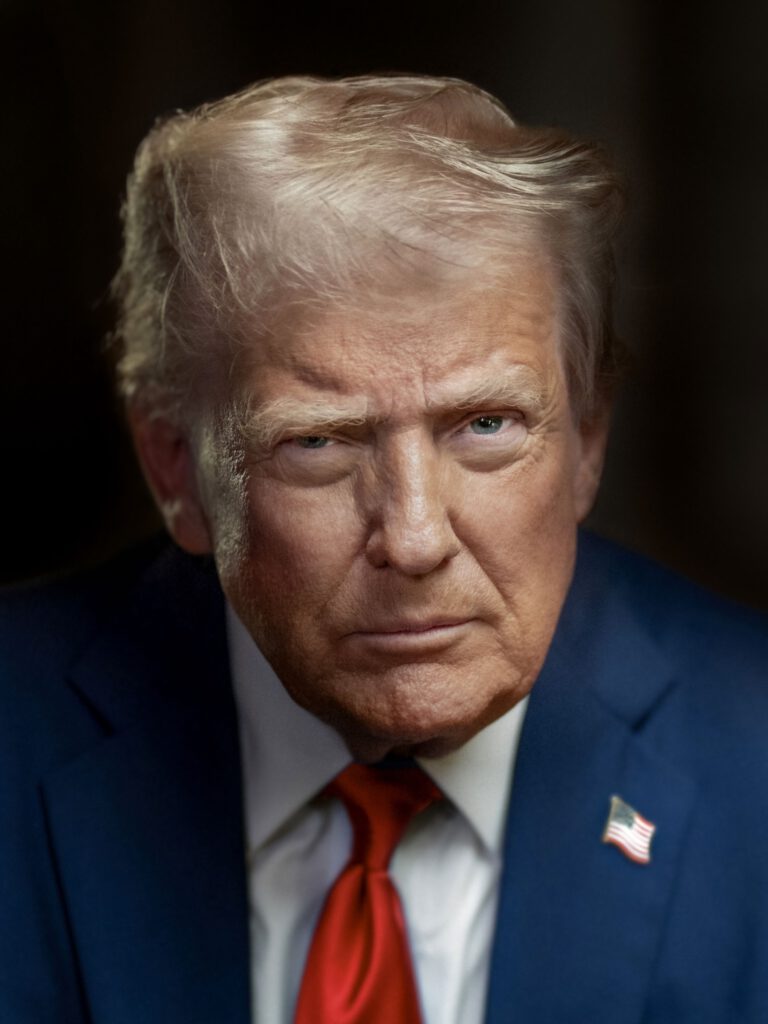
Donald Trump sat down in the White House Roosevelt Room with Stephen A. Smith this week and said his party’s midterm wipeout was not his doing. “I wasn’t on the ballot and if you look at the numbers that I had just a short time before, they were a record,” he said, in the interview Smith released for his Straight Shooter series.
Black voters were among the people who did not agree. They delivered Democrats a string of Senate and statewide wins last week, and Smith pressed the president on the group he had courted in 2024. According to the interview transcript, Smith told him that Black men “did well” with him in 2024 and “didn’t do so well in the midterms.” Trump’s answer was the same one he gave on everything: “I wasn’t on the ballot. It’s a big difference when I’m on the ballot.”
He gave other reasons. “To the voter I think gas prices went up and that seemed to be I think the biggest impact,” Trump said. He added that he did not think it was the Iran war itself, “as much as what the war did, lifted up gasoline prices.” On the candidates, he said: “The people didn’t believe in the candidates, perhaps.” Smith described him afterward as immovable on accepting blame, and said Trump offered him the press secretary job. Smith turned it down.
When the talk turned to Black voters, Trump went to two items. One is the First Step Act, the 2018 sentencing law. “I did criminal justice reform,” he said. The law was real and bipartisan, and it shortened some federal sentences that fell hardest on Black defendants. The other is HBCUs. Trump said his administration “awarded a record one-time investment of $438 million” to historically Black colleges and universities.
The fine print is where Black readers should look. The money was a redirect: the administration moved roughly $435 million to HBCUs and tribal colleges while it ended grant programs for other minority-serving colleges, according to reporting at the time. It also followed a budget that proposed cutting Howard University’s funding. A one-time payment is not a standing commitment, and Smith, an HBCU graduate who has said the schools were his main reason for meeting Trump, challenged him on how the numbers compare with earlier administrations.
Trump also keeps returning to a claim he made to Smith in a separate town hall: that he has a “very high Black vote.” The ballots just counted say Black voters in Texas and South Carolina gave Democratic Senate candidates 90% and 85% of their votes.
A president who says he was not on the ballot is asking Black voters to believe the election was about gas, not about him. They voted on their own records, and on his. What Trump owes them is a policy, not a number from a press release, and that test comes with the new Congress in January.
Have your say