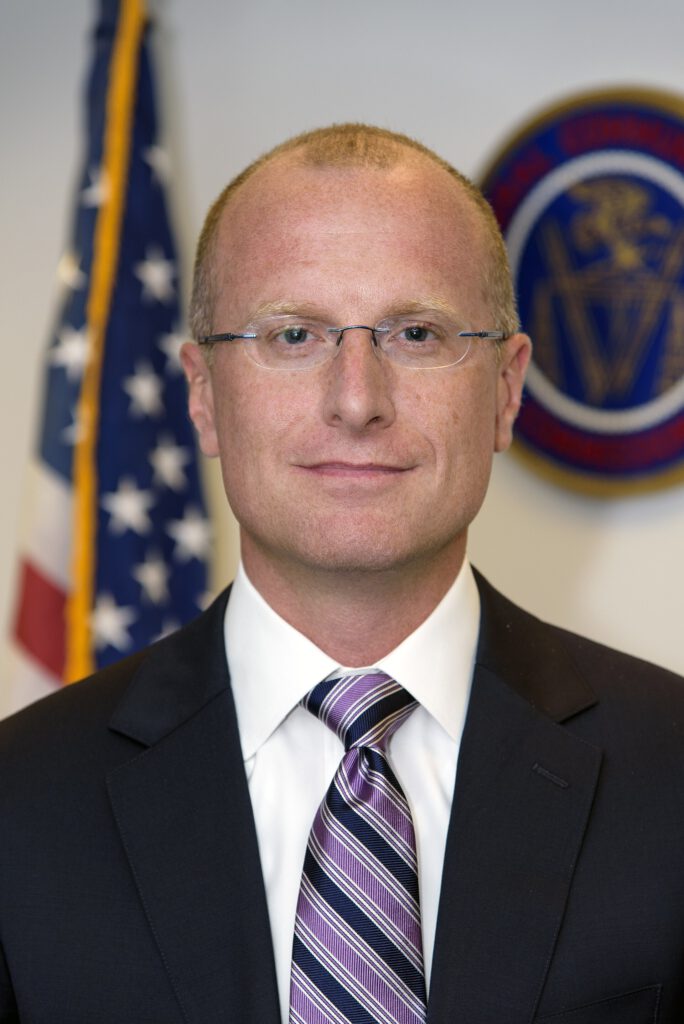
The Federal Communications Commission told ABC it was reviewing the network’s licenses early because of diversity, equity and inclusion hiring. On Wednesday a federal judge said she did not believe it. “The court does not find that explanation to be credible on the record before the court,” U.S. District Judge Loren AliKhan wrote, as she ordered the agency to stop.
The ruling matters to Black workers and Black viewers because “DEI” is the word the government chose as its legal cover. It is the label now stuck on programs that open newsroom and executive jobs to people who were shut out of them. When an agency can invoke it to threaten a broadcaster’s licenses, and a court finds the stated reason was not the real one, every employer sees what an anti-DEI investigation can be used for.
AliKhan, of the U.S. District Court for the District of Columbia, issued a preliminary injunction in a 45-page opinion. It bars the FCC from “taking any continuing or further action” in the early renewal proceeding for ABC’s eight owned stations, while Disney’s lawsuit continues. She found ABC and Disney likely to succeed on their claim that the review was retaliation for speech protected by the First Amendment.
“This is not a close case,” she wrote. She said FCC Chair Brendan Carr “has taken President Trump’s rhetoric as his marching orders.”
The FCC ordered the early review in April, years before the licenses expire. Its stated basis was an investigation into whether Disney and ABC broke equal employment rules through their DEI practices. Disney sued in August, saying the agency was “using the threat of broadcast license revocations to punish a company for speech this administration doesn’t like.” Carr had called the suit “meritless.”
The judge tied the timing to the president’s attacks: Trump demanded that ABC fire Jimmy Kimmel over a joke about the first lady, and the FCC moved against the licenses after it.
The FCC has an answer: it says the discrimination inquiry is a routine duty and that ABC’s free-speech claim is self-inflicted. The court looked at the record and rejected that account for now. It is a preliminary finding, and the government can appeal.
Black communities have the most to lose when a license becomes a weapon. We depend on independent newsrooms to cover police killings, voting fights and school closures that others skip, and on civil rights law to mean what it says. Using a real anti-discrimination statute as a pretext to punish coverage cheapens that law and endangers the press. The FCC should drop the review and say what, if anything, it found about hiring.
Have your say