Harper School taught Black children in Houston’s Sixth Ward from 1927, through segregation. Last December the Houston Independent School District sold the property. On the night of July 25, a two-alarm fire tore through the building. Fire officials had not determined a cause.
The school was one of the last standing pieces of Chaneyville, a neighborhood formerly enslaved workers began building around 1865 near the railroad junction by Washington Avenue. Few Houstonians know the name today. The Houston Defender Network, which reported on the neighborhood’s disappearance this week, notes that apartments and shopping centers now cover most of it.
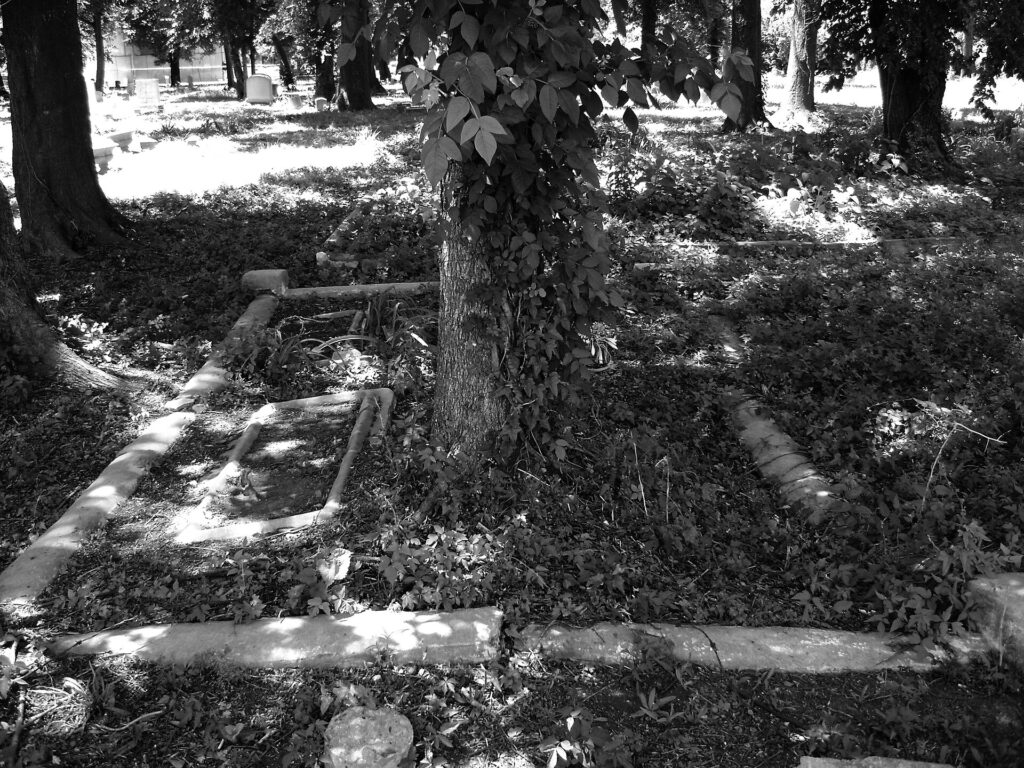
What survives is small. Olivewood Cemetery, founded in 1875, is Houston’s oldest incorporated African American cemetery, and Houstonia magazine estimates it holds about 5,000 people. Among them are the Rev. Elias Dibble, alderman Richard Brock and attorney J. Vance Lewis. Brown Chapel AME Church, organized in 1881, still holds services on Washington Avenue. A 1912 cottonseed warehouse, the last trace of the mill that employed the neighborhood, has city landmark status but no protection.
After the fire, Mayor John Whitmire walked through the charred shell. “We’re not going to let the memory of Harper School be lost to Houstonians,” he said. He spoke of preserving the facade, the historical marker and whatever can be salvaged.
A facade and a marker are not a school. The district chose to sell a building with that history, and the city is now promising to save the front wall of what is left.
Much of the work of remembering falls to volunteers. Charles Cook, 70, has maintained Olivewood for decades. Margo Williams, president of the Descendants of Olivewood, has several generations of her family buried there. “A lot of our history is not written. It’s not in books,” Cook told the Defender. That is the problem with places like Chaneyville. When the buildings go, the record often goes with them, because Black neighborhoods were rarely given the kind of paperwork that makes a building hard to sell.
Houston should give the cottonseed warehouse and what remains of Harper School real landmark protection, and tell the families of Olivewood what the new owner plans for the site. The cause of the fire should be made public when the investigation ends.


Have your say