Four Democrats won governor’s races this month promising to expand Medicaid, and the people who would gain the most are disproportionately Black and Hispanic. In the states that never expanded the program, Black and Hispanic adults together make up 56% of the 1.2 million uninsured adults who earn too much for Medicaid and too little for marketplace subsidies, according to KFF’s analysis of 2024 Census survey data. KFF does not publish a figure for Black adults alone.
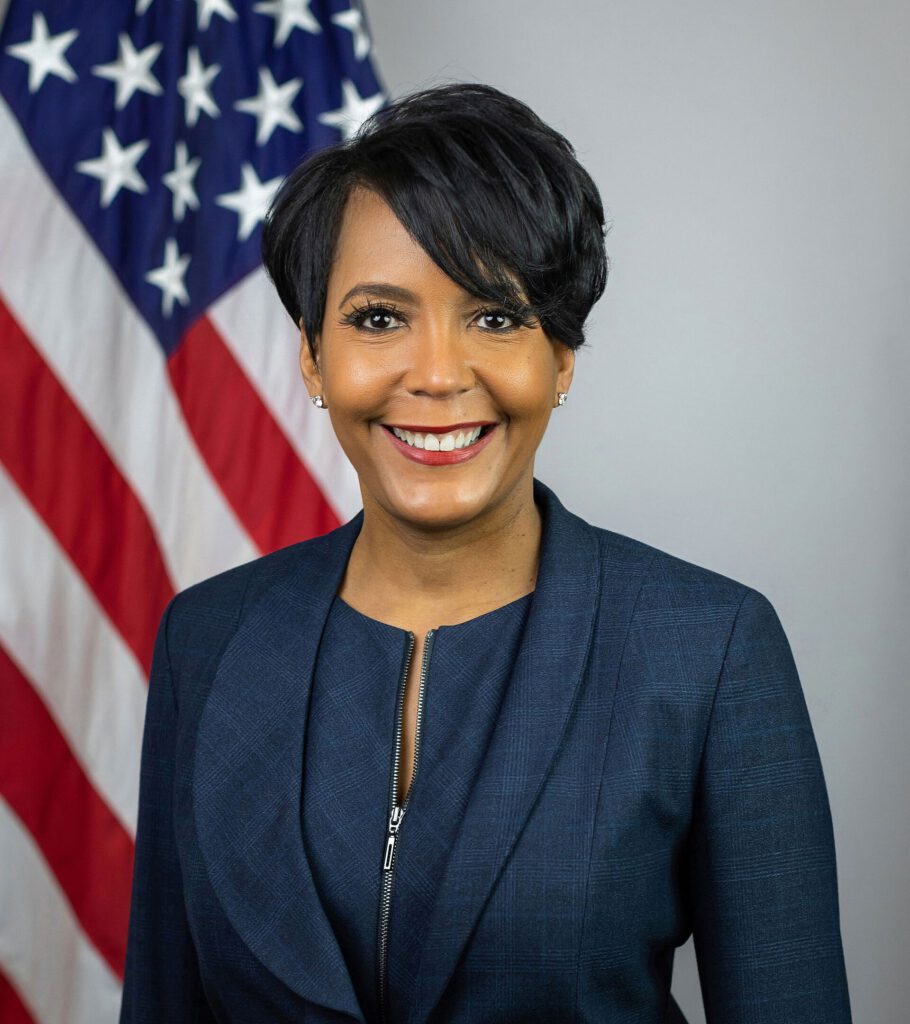
Keisha Lance Bottoms, Georgia’s governor-elect, put it at the center of her victory speech. “This win is for the caregiver who can’t afford healthcare and needs Georgia to finally expand Medicaid,” she said, as KFF Health News reported. Cindy Holscher in Kansas, Gina Hinojosa in Texas and David Crowley in Wisconsin also ran on Medicaid, in Texas and Georgia with specific promises. More than 1 million uninsured people across the four states could gain coverage under full expansion, KFF Health News reported from 2024 KFF data.
The election does not settle it. Republicans still control the Texas Senate, and nearly half of the 2.6 million uninsured adults who would become newly eligible across the holdout states live in Texas, according to KFF. Republicans hold both chambers in Kansas, though Democrats cut into their Senate supermajority. In Wisconsin, full expansion could put hundreds of millions of dollars in federal hospital funding at risk.
Georgia shows the other trap. The state covers some low-income adults through its Pathways program, which has work rules, and KFF Health News reported that those hurdles have deterred enrollment. Georgia and Wisconsin cover adults up to the poverty line through waivers, so the coverage gap sits in Kansas and Texas.
Washington has made the math harder. The 2025 Republican budget law ended the temporary five-point bonus that rewarded states for expanding, restricted provider taxes and state-directed payments, and imposed work requirements on expansion adults starting Jan. 1. That means 80 hours a month of work or qualifying activity. The White House has offered states an optional six-month delay, through June 30, 2027, but many are still struggling to build the systems to run the rules.
There is an argument on the other side, and it deserves a straight answer. Some conservative lawmakers say work requirements make expansion palatable, and KFF notes the federal rule could soften opposition in states such as Mississippi, where expansion stalled because the state could not attach one. Our answer is that a requirement that takes coverage from people for missing paperwork is not a compromise. It is the old exclusion with a form attached. The federal government pays 90% of the cost of expansion adults, and two in three people in non-expansion states say their state should do it.
The governors take office in January, and the first test is their first budgets. Each of them promised coverage to people who have gone without it. Black families in these four states should hold them to it.

Have your say