The United States invited the world’s biggest economies to Atlanta this week and did not invite South Africa, the only African country that holds a seat at the G20. Foreign ministers wrapped up two days of talks on Saturday without a joint statement.
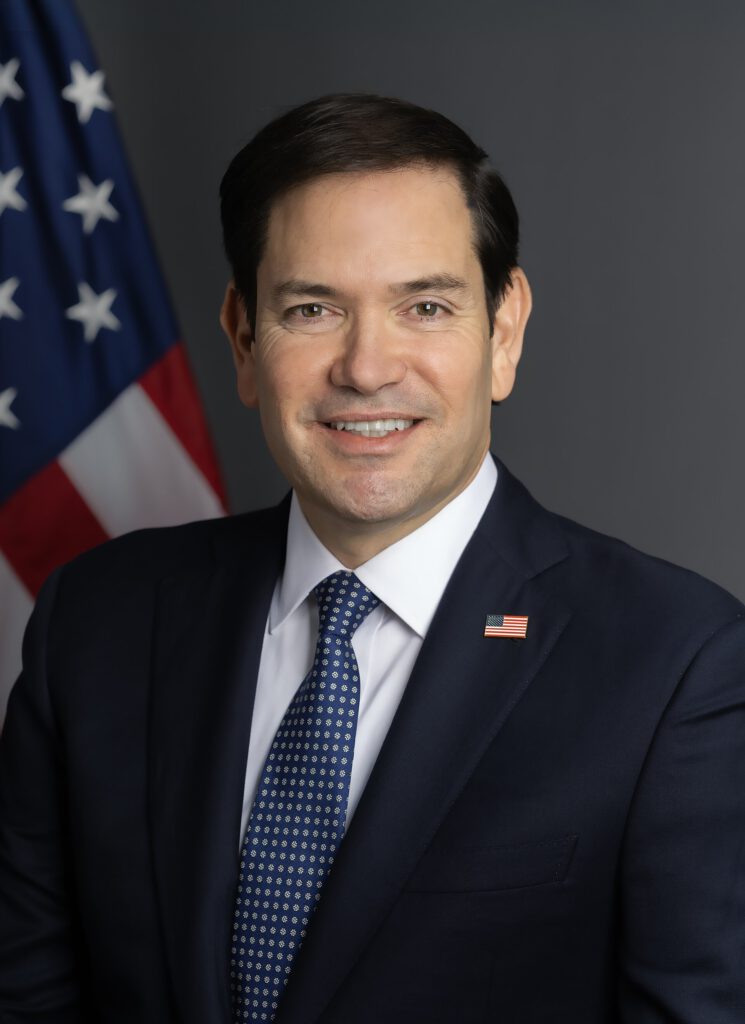
Secretary of State Marco Rubio hosted the Oct. 30 and 31 meeting as the United States holds the group’s rotating presidency. South African officials said their absence “was not voluntary” and that the country is “ready to take part when Britain leads the group next year.” The meeting was preparation for a leaders’ summit in Miami in December.
The exclusion is not new. In December 2025, Rubio wrote that “the South African government’s appetite for racism and tolerance for violence against its Afrikaner citizens have become embedded as core domestic policies,” and that the United States “will not be extending an invitation to the South African government to participate in the G20 during our presidency.” He also called South Africa’s own year in the chair “an exercise in spite, division, and radical agendas that have nothing to do with economic growth.” The Trump administration skipped the leaders’ summit South Africa hosted in Johannesburg in November 2025, which South Africa’s presidency said the U.S. did “out of its own volition.”
Other members objected. Reports at the time said several G20 governments, China among them, backed South Africa’s continued participation. Washington went ahead anyway.
For Black readers the stake is who gets a voice when the rules of the global economy are discussed. South Africa is a majority-Black country and the single African state in the room where trade, debt and minerals are on the agenda. Rubio used the Atlanta meeting to promote a plan called Pax Silica, meant to rally G20 members worried about China’s hold on rare earths and other critical minerals. Those minerals are mined in Africa. The country that was left off the list was not in the room to be heard on it.
The ministers did not get far on anything else. Divisions over Russia’s war in Ukraine, the U.S.-Israeli conflict with Iran, American tariffs and the South China Sea kept them from a communique. Rubio issued a chairman’s statement instead. “I wouldn’t pretend to you today that we are close to finding universally accepted solutions to these problems,” he said. A planned group photo was scrapped after European officials declined to be pictured with Russian Foreign Minister Sergey Lavrov.
A State Department official said the four ministerial meetings held this year produced partial agreement, with gaps remaining. Analysts expect movement on the minerals plan only after the Miami summit.
Have your say