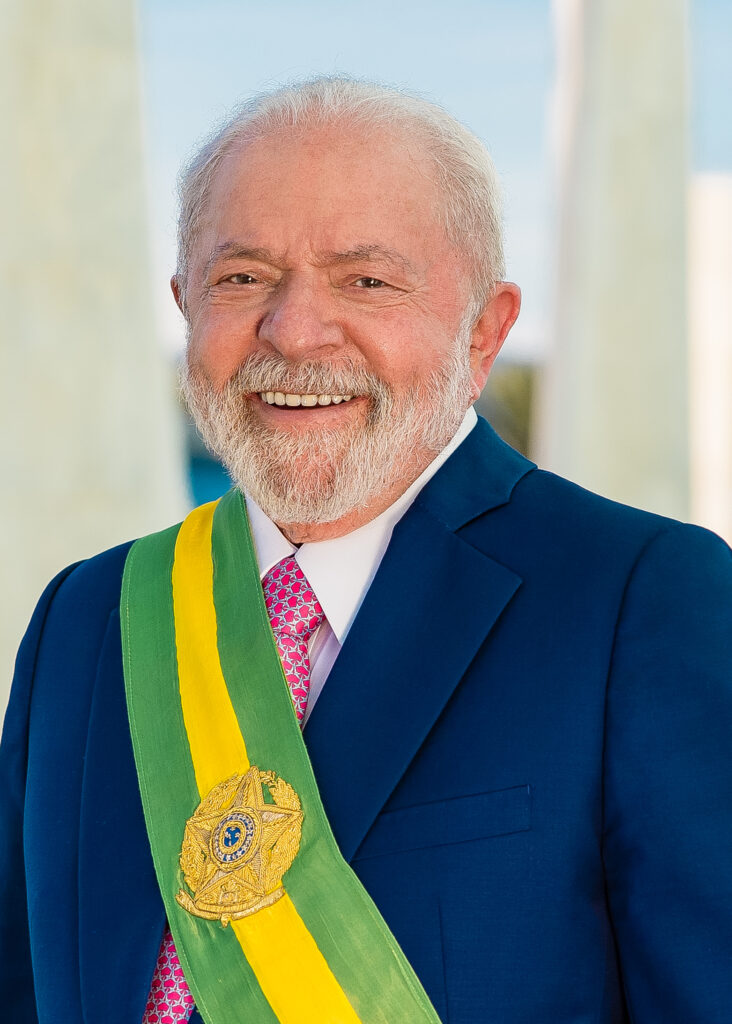
Brazil re-elected Luiz Inácio Lula da Silva on Sunday to a fourth term as president, with 51.7% of the vote to 48.2% for Sen. Flávio Bolsonaro in the runoff. Lula trailed in the first round on Oct. 4, 45% to Bolsonaro’s 47%, and turned it around in three weeks.
For Black Brazilians, the stakes are concrete. The 2022 census counted 20.7 million people who identify as preta (Black) and 92.1 million as parda (brown or mixed-race), together 55.5% of the country. They are also where Brazil’s gaps are widest. As the Associated Press reported last year, Black and mixed-race Brazilians held only 36% of top government posts in 2024, make up more than 70% of the people living below the poverty line, and hold about 1% of leadership roles in the private sector.
Lula’s government has spent its current term writing race into hiring rules. In June 2025 he signed a law raising the share of federal public-sector jobs reserved for Black candidates from 20% to 30%. The law also added Indigenous people and descendants of enslaved Africans as beneficiaries. It covers the federal administration, agencies, foundations and state-run companies, and Congress is due to revisit the quota in 2035.
“We could not reverse the scenario of low representation (for minorities) in the public service,” Management Minister Esther Dweck said when the law was signed. The AP put the share of top government jobs held by Black and mixed-race Brazilians at 25% in 2014 and 36% in 2024.
The same government runs a Ministry of Racial Equality, created when Lula returned to office in 2023. A fourth term keeps the president who built those programs in charge of carrying them out.
The result may still be contested. Al Jazeera reported that legal challenges are likely after a Supreme Court extension let voting continue in parts of the country, and its tally was published with 98.76% of ballots counted.
Have your say