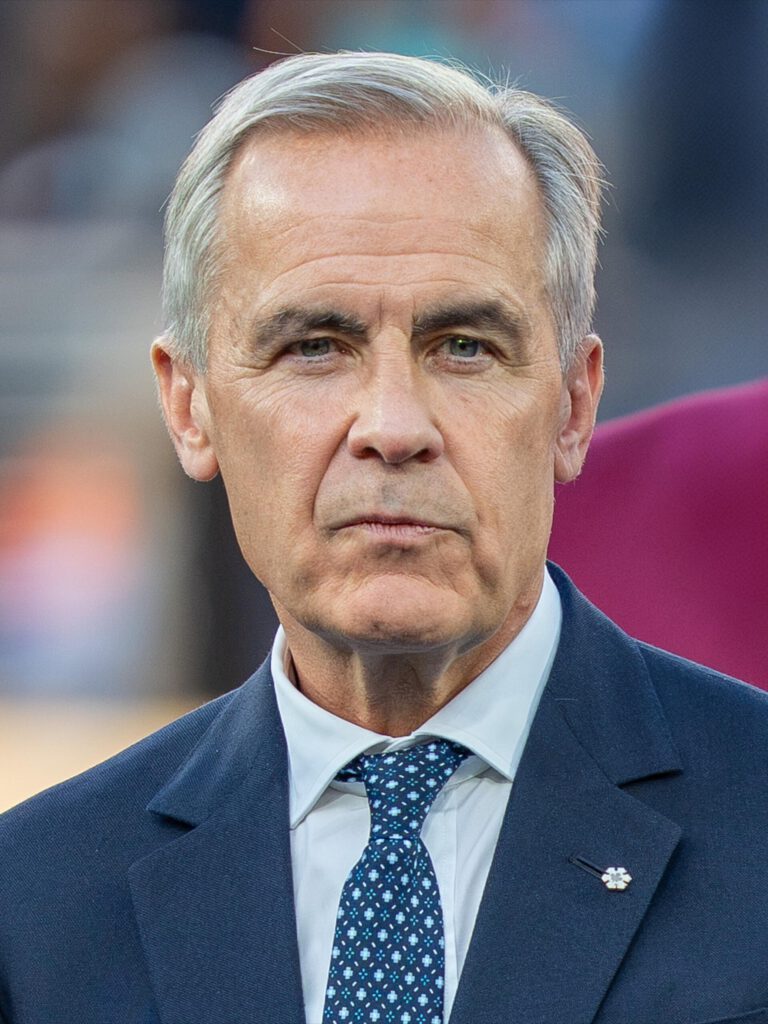
Prime Minister Mark Carney flew to Antigua and Barbuda on Tuesday and told Caribbean leaders that Canada’s trade with their region “scratches the surface of what’s possible.” He also reminded them who lives at the other end of that trade: “There’s more than a million people in Canada who trace their roots back to the region.”
Many of those million are Black Canadians whose families came from Jamaica, Guyana, Trinidad and Tobago, Haiti and the islands in between. Carney’s pitch treated their ties as a business asset. What the region’s leaders have pressed on the Commonwealth this week is something else: a reckoning with slavery.
Carney, attending his first Commonwealth heads of government meeting in St. John’s, spent the day at a working breakfast with Caribbean leaders and in a string of bilateral meetings. Canada-Caribbean trade is about $4 billion a year, he said, and Canada’s trade with all Commonwealth countries is about $100 billion. His office had said before the trip that the meeting would focus on climate change, renewable energy and security.
Foreign Affairs Minister Anita Anand is with him. Carney’s schedule included one-on-one meetings with the leaders of Guyana and Ghana.
Ronald Sanders, Antigua and Barbuda’s high commissioner to Canada, put the other side of the relationship plainly: “Canada needs to pay a little more attention to the Caribbean.”
The reports we reviewed from Carney’s day, from Global News and the Canadian Press, do not mention slavery or reparations. That matters because reparatory justice is the subject Caribbean governments have pressed hardest at this summit, and because King Charles spoke about slavery this week without apologizing. Canada has its own history to answer for: people were enslaved in what is now Canada until the British Empire abolished slavery in 1834.
Trade is a fair thing to want from the Caribbean. But a government that invokes the family roots of a million Canadians to sell closer commercial ties, and says nothing in public about the history that scattered those families across the Atlantic, is asking Caribbean leaders to take the relationship on Ottawa’s terms only. If Canada wants the region to believe it is a serious partner, it should say where it stands on reparatory justice.
The Commonwealth meeting runs through Wednesday.
Have your say