Keyla François, 30, is in an immigration detention centre in New Mexico. Her husband and their two children, ages one and two, are in Montreal, roughly 2,000 miles away. They are there because Canada let three of them in at the border and turned the fourth back to American agents.
The family’s case was reported by The New York Times on Nov. 24. François and her husband, Noelson Pierre, 30, are Haitian. They came to Springfield, Ohio, in March 2023 and worked at an Amazon distribution centre. Both children were born in the United States. When the Trump administration ended Temporary Protected Status for Haiti, with the termination taking effect July 27 after the Supreme Court allowed it, they were among the more than 300,000 Haitians who lost their legal footing. The couple drove north on Aug. 17.
At the Lacolle, Que., crossing, Canadian officers applied the Safe Third Country Agreement, which generally requires asylum seekers coming from the U.S. to be sent back. One exception covers an eligible close relative in Canada. Pierre’s two brothers live in Montreal, which qualified him and the children. François, whose own relatives are not in Canada, did not qualify: in-laws do not count under the exception.
The family chose to go back together, the Times reported, and was held at a U.S. facility in Champlain, N.Y. There, as the Times told it, officers presented them with a voluntary departure form and said that refusing to sign could mean the children would be taken from their custody. Pierre and the children later crossed into Canada. François was moved through four detention facilities in four states and is now in New Mexico. Canada’s border agency told the Times it does not separate families and that people can choose to return together. The Department of Homeland Security arrested François when she came back to the U.S.
She is not the only one. Canada refused more than 1,300 people under the agreement between Jan. 1 and Nov. 16, the Times reported, many of them Haitians. Montreal immigration lawyers told the paper they know of dozens of families split the same way, and Quebec child welfare services have seen a rise in unaccompanied minors.
This falls on Black immigrants first. Haitians are the largest group that lost protection when TPS ended, and the Safe Third Country Agreement was written without them in mind: a rule that counts a brother as family and a brother-in-law as a stranger is a rule that breaks apart the households of people who share a roof and a paycheque.
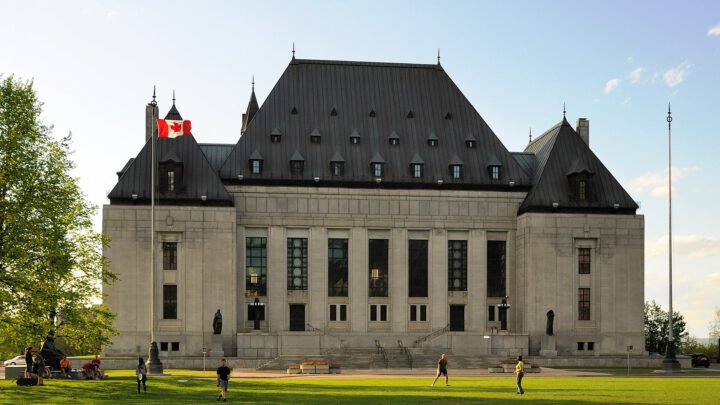
Canada is not a bystander in this. Ottawa decides, border officer by border officer, to treat the United States as a safe place for these families to be sent back to, while Washington is deporting Haitians and holding mothers in detention. Amnesty International Canada and other groups are asking the Federal Court to rule that the U.S. is no longer a safe third country. Hearings run through Dec. 16.
Ottawa does not need to wait for a judge. It can use the discretion it has to admit a mother whose husband and toddlers are already inside, and it should do so for every family in François’s position.

Have your say