The Senate has passed a bill that would cap what colleges can pay athletes and protect the NCAA from antitrust lawsuits. The NAACP says Black men are about 66% of football rosters in the ACC, the SEC and the Big 12, so the people who would live under those caps are disproportionately Black.
The Protect College Sports Act cleared the Senate 77 to 22 in late September. Its backers include the NCAA, the U.S. Olympic Committee, the major conferences and President Trump, along with Republican Sen. Ted Cruz and Democratic Sen. Maria Cantwell, who led it. Its fate now moves to the House, where the lame-duck session began this week and Democrats won at least 247 seats on Nov. 3.
The NAACP, the AFL-CIO and the Congressional Black Caucus oppose it. In an Aug. 4 letter, NAACP President Derrick Johnson said those three conferences generated roughly $16 billion in athletic revenue over the past decade, not counting name, image and likeness deals. He called the arrangement “a modern version of Jim Crow.” The figures are the NAACP’s own.
The caucus tied its objection to representation. In an open letter to Cruz and Cantwell, it said “for generations, Black athletes have helped build college athletics into one of the most powerful and profitable industries in American life,” and asked the committee to pause until athletic leaders “meaningfully engage with concerns about attacks on Black political representation.” That followed the Supreme Court’s Voting Rights Act ruling this year, which cost Black voters districts across the South.
Supporters have an argument. Cruz has urged the caucus to back the bill for the sake of historically Black colleges and universities, and sponsors say the bill sets national rules, protects Olympic and smaller sports and ends a patchwork of state laws. Those are real goals.
But the bill gives the institutions that profit most the legal protection and the athletes a ceiling. The National College Players Association says about 70% of Division I programs would not meet the $50 million revenue threshold that triggers mandatory support for non-revenue sports. Its director has said he hopes the election sinks the bill. The NCAA says it looks forward to working with the House to pass it.
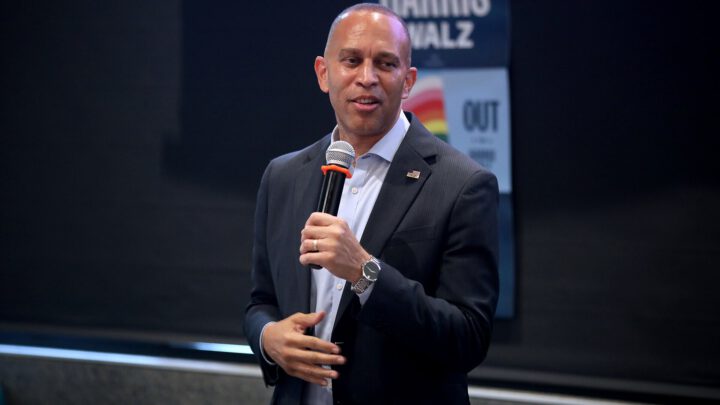
Congress has little time. The House must also pass another stopgap spending bill and the annual defense bill before the new Congress arrives in January, and leading sports outlets now describe the college sports bill as unlikely to pass in that window. Hakeem Jeffries, expected to become Speaker, has opposed the earlier House version of the legislation.
That is the right outcome. Athletes who fill stadiums for schools that bring in billions should not have their bargaining power capped, or their employers’ liability erased, by a Congress that a Black-majority roster never had a say in electing. If a bill returns next year, it should start with the players.
Have your say