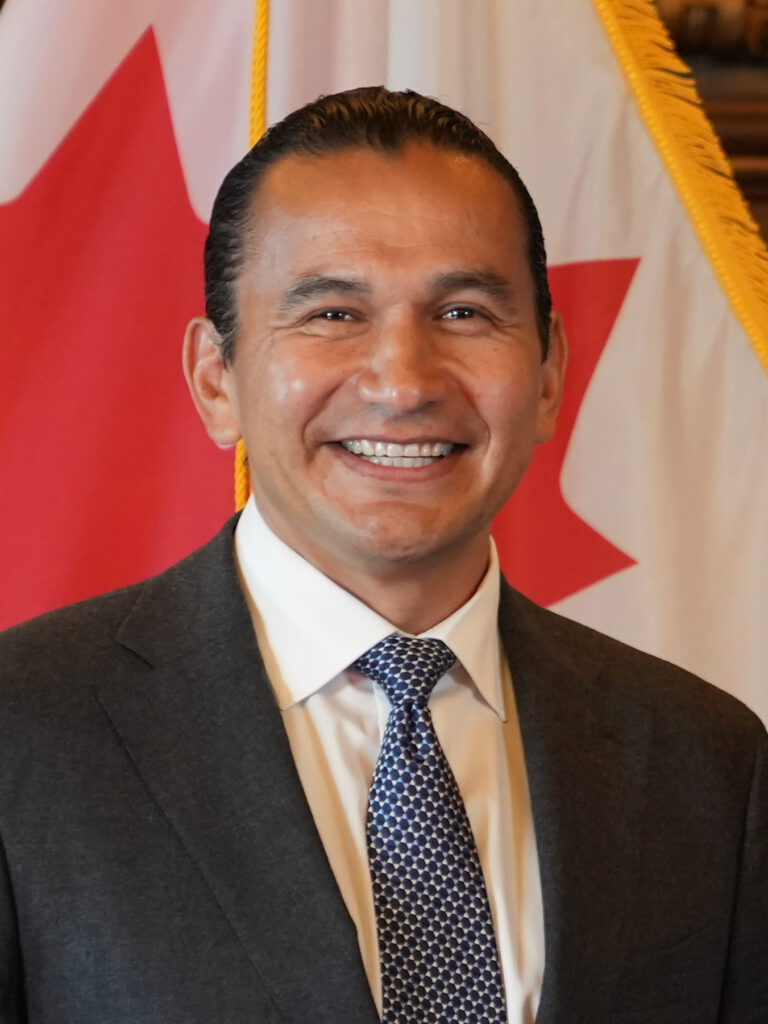
The Supreme Court of Canada has told every legislature in the country that it can write discrimination into law and shield it from the Charter’s equality guarantee. On Saturday, the premier of Manitoba answered with two words: “legislative racism.”
The court ruled Friday that Quebec properly used the notwithstanding clause in 2019 when it passed Bill 21, which bars some public-sector workers from wearing religious symbols. It struck down one provision, a ban on face coverings for members of the legislature. The rest stands.
Black Canadians were part of the case. The Canadian Association of Black Lawyers intervened at the Supreme Court alongside South Asian, Muslim and Asian Canadian lawyers’ groups, arguing that the override power has limits. The court did not draw the lines they asked for. Section 15 of the Charter, which protects equality, is one of the rights the clause can switch off. That is the protection Black Canadians have used against racial profiling, discrimination at work and unequal treatment by the state, and the ruling confirms any province can suspend it by vote.
Premier Wab Kinew said Bill 21 was “designed to discriminate” against Muslims primarily, and also against Sikhs and other religious minorities. “The Canada that I want to live in should have an RCMP officer free to wear a turban, should have a school teacher, if she chooses to wear a hijab … be able to do so,” he said. He added: “If you discriminate, I don’t like you. And if you feel the need to divide Canadians in order to get elected, you’re probably not worthy of holding public office again.”
Kinew said his government would never use the clause. He argued that judges should still be able to weigh in on laws that would otherwise violate the Charter, and that the Supreme Court’s decision leaves opponents a way to seek a non-binding court ruling and take the question to voters.
Other provinces are already using the power. Alberta Premier Danielle Smith invoked it to protect three laws aimed at transgender people: rules on pronouns and names in schools, a ban on transgender girls in girls’ sports and limits on gender-affirming care for those under 16. Saskatchewan Premier Scott Moe used it in 2023 for a law policing students’ names and pronouns. Saskatchewan has welcomed the ruling.
Stephen Brown, chief executive of the National Council of Canadian Muslims, called it “a very difficult day for Canadian democracy and it’s a dark, dark day for thousands and thousands of Canadian citizens and Quebecers.” He said a court declaration is “a small comfort” that will not give back the jobs Quebec women, particularly Muslim women, have lost.
Kinew is right that the clause can be a political choice, and he is right to refuse it. But a promise from one premier is not a protection. Until Ottawa or the voters make the override costly again, the equality rights Black Canadians rely on last only as long as the next majority in the next legislature allows.
Have your say