A federal judge has ordered the Trump administration to stop investigating alleged noncitizen voters in nine states until polls close on Election Day, Nov. 3, after finding that the government’s lists are full of errors and are scaring citizens away from helping others vote.
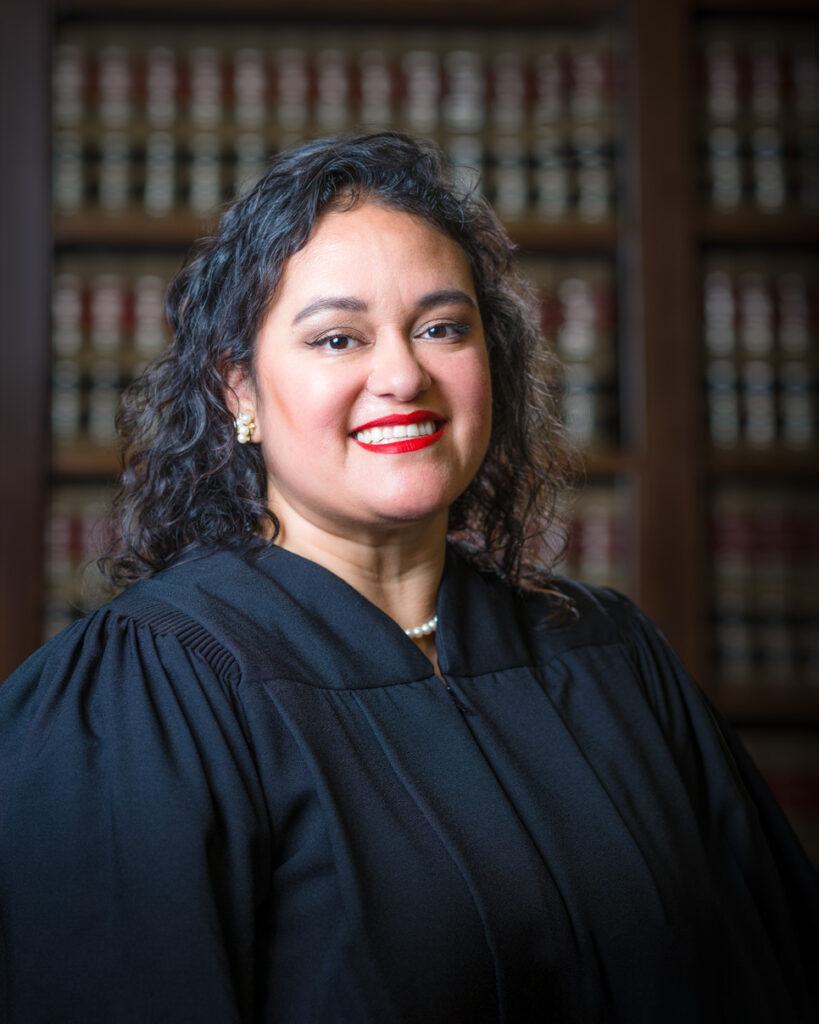
U.S. District Judge Araceli Martínez-Olguín of Oakland, California, issued the order this week. It covers California, Connecticut, Georgia, Missouri, Nevada, New York, Pennsylvania, Washington and Wisconsin. The order is stayed until 5 p.m. Friday to give the administration time to appeal.
The Department of Homeland Security (DHS) has been sending agents to people’s doors to ask about immigration status and voting history. The judge found that the practice likely violates the Voting Rights Act, and that the lists behind it, built from government agencies and commercial data, carry a high likelihood of error. She wrote that DHS’s data alleging hundreds of thousands of possible illegal voters “is widely known to inadvertently include U.S. citizens” and “leaves citizens afraid that their name will be wrongly included in the hundreds of thousands identified for investigation.”
She did not bar the government from enforcing the law. “Plaintiffs do not claim, nor does the Court find, that it is unlawful for federal officials to undertake investigations” into illegal voting, she wrote. The problem, in her ruling, is targeting citizens in ways that intimidate voters.
DHS did not immediately answer the Associated Press. In a statement quoted by CBS News, the department said it is “laser focused on identifying, prosecuting, and removing aliens who vote” and has “no plans to question or investigate people we believe to be U.S. citizens.” Voting by noncitizens is rare.
The lawsuit was brought by the California Nurses Association, National Nurses United, the Voto Latino Foundation, the city and county of San Francisco and Santa Clara County. The judge found the effort was intimidating groups that do voter assistance work. Several of the states covered, among them Georgia, Pennsylvania, Wisconsin and New York, have large Black electorates and long-running voter assistance efforts.
That is why the ruling matters beyond the plaintiffs. A knock on the door from a federal agent asking whether you are a citizen, based on a list known to sweep in citizens, does not land evenly. In communities with long memories of voter intimidation, it can keep people home, and it can make volunteers think twice about handing a neighbor a registration form.
The order does not end the administration’s wider effort. A separate federal ruling this month, by Judge Sparkle Sooknanan in Washington, blocked the Justice Department’s use of an overhauled immigration database to check voter rolls, but did not stop investigations already under way in more than two dozen states, as Votebeat and other outlets reported.
The stay expires at 5 p.m. Friday. Election Day is 12 days away.

Have your say