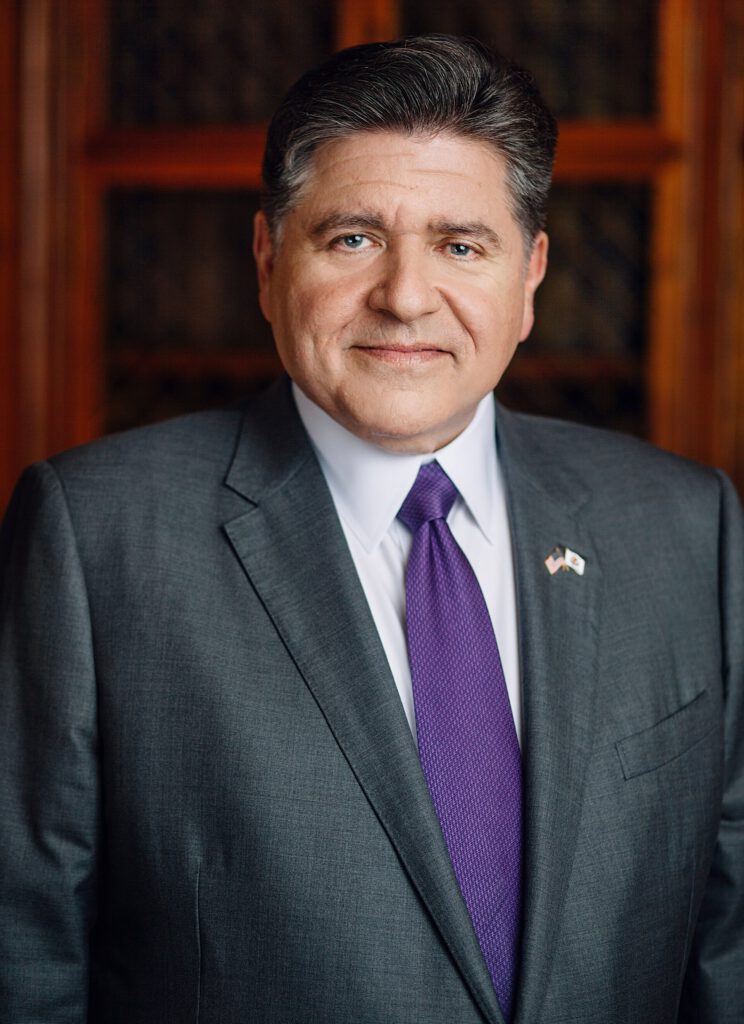
Illinois will not join the Trump administration’s school voucher program. Gov. JB Pritzker announced the decision Tuesday, keeping the federal tax credit scholarship out of a state where Black children make up about 35% of the students in Chicago’s public schools.
That is the share Chicago Public Schools reported this fall, out of 304,687 students. The district has already lost 11,500 students in a year, and any plan that moves money away from public classrooms lands first on the Black families who still depend on them.
“At a time when public school education needs investments more than ever, we should not siphon money from public schools for private education,” Pritzker said. Another statement from him was blunter: “Public money belongs in public schools, end of story.”
The program, created by Congress in 2025, gives taxpayers a dollar-for-dollar federal tax credit of up to $1,700 for donations to groups that fund tuition and services at private and public schools. States must opt in, and the deadline is Dec. 31. Illinois taxpayers can still claim the credit for gifts to groups outside the state, but no Illinois school can receive the money.
Pritzker’s objections were about oversight. Federal rules, he said, “explicitly prohibit states from setting strict guidelines” on the groups that hand out scholarships. He also pointed to private schools that could turn away students over religion or sexual orientation. For Black families the question is an old one: who answers for where the money goes once public dollars leave the building.
The Illinois Education Association and the Illinois Federation of Teachers had pushed him to refuse. IEA President Karl Goeke said in October, “I really would like the governor to say no, so we can stop talking about vouchers.” The union says more than 60% of the state’s public schools are underfunded.
The other side had real arguments. Big Shoulders Fund, which raises money for Catholic schools in Chicago, lost 25% of its state funding when Illinois ended its own tax credit scholarship program. Its CEO, Josh Hale, backed opting in, as did the principal of a Southeast Chicago school that serves low-income families. Chicago school board member Angel Gutierrez argued that public schools could draw donations too.
But the program is built on voluntary gifts with little state control, so the money goes where donors choose, not where children need it. Pritzker’s answer was to keep Illinois out and to call on Democrats in Congress to restore the Education Department’s capacity and its oversight of special education. That is the right call for the public schools most Black Chicago students attend.
Illinois joins Oregon, Minnesota, Arizona, Wisconsin and Virginia among the Democratic-led states that said no. At least three Democratic governors opted in, and some were forced in when legislatures overrode them. The program begins Jan. 1, 2027.
Have your say