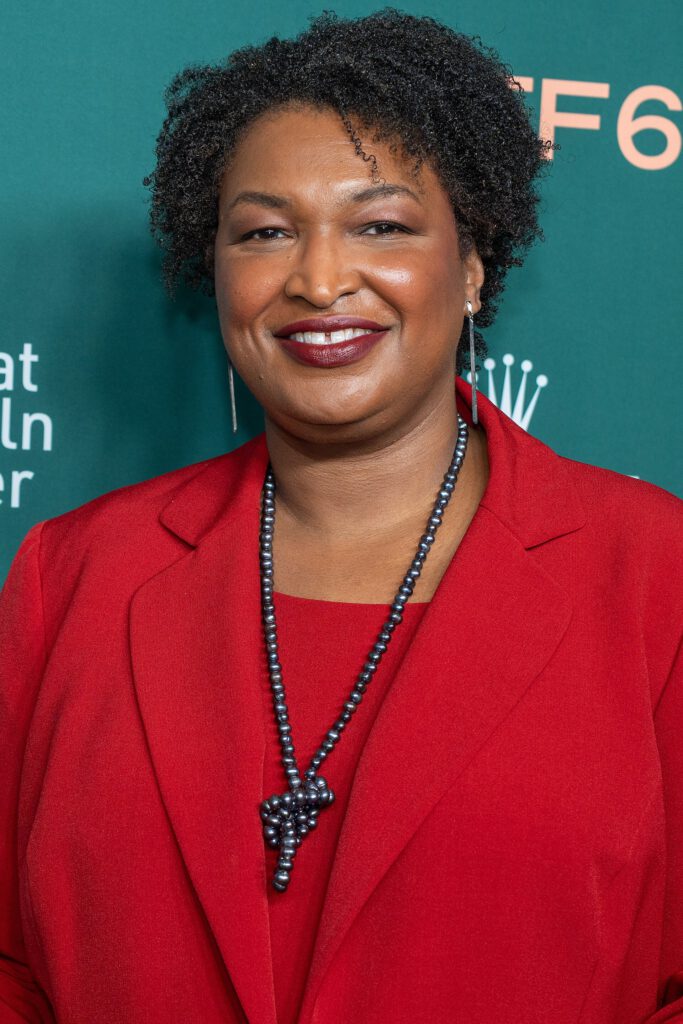
Fair Fight, the voting rights group Stacey Abrams founded after her 2018 loss for Georgia governor, is closing down its current operations. In eight years it raised nearly $220 million.
The timing matters most to Black voters. The Supreme Court gutted the Voting Rights Act this year, and Republican legislatures across the South have since moved to eliminate congressional districts held by Black lawmakers. The group that built its name defending those voters is stepping back from that work, and Abrams says it is a choice.
“I don’t think it’s getting out of the game,” Abrams told the Associated Press. “I think it’s changing the approach.” Her argument is that the threat has changed: “Where voter suppression is about how you access democracy, the rise of authoritarian control is about whether there is a democracy, and that’s where we want to put the focus.”
She also said voter suppression “is not solved, but it has enough lieutenants and knights and advocates who are fighting.”
Fair Fight now has 22 employees, down from nearly 60 at its peak after the 2022 elections, when Abrams lost her second race against Gov. Brian Kemp and the group began laying off staff. Lauren Groh-Wargo, a former Fair Fight leader and longtime Abrams adviser, said research, donor relationships and strategic resources will be passed to allied organizations and to a successor. The new structure and mission are due in early 2027. Plans described so far include teaching Americans how state legislatures shape health care, education and public spending.
The group’s record is real. Abrams lost in 2018 by fewer than 60,000 votes, about 1.4 percentage points. Fair Fight went on to build voter protection operations that worked with Joe Biden’s 2020 campaign in 18 states. Ben Wikler, the former Wisconsin Democratic Party chair, put it this way: “We built the machine. Fair Fight kickstarted it.”
Not everyone is calm about the exit. Cliff Albright, co-founder of Black Voters Matter, called it “an institutional loss.” He added that how it plays out “will depend on whether or not people still believe that this is an important issue that deserves our attention and deserves our funding.”
That is the real test. Democrats won sweeping victories in November on strong Black turnout, and they take control of Capitol Hill in January. But Black voters in the South are now voting in districts that Republican mapmakers are redrawing, and the people who sued, canvassed and monitored polls in those states are a smaller crowd than they were a year ago. Marc Elias, the Democratic election lawyer, put the cost plainly: “You can’t have a democracy where lawyers like me have to litigate against the Department of Justice and win dozens and dozens of cases.”
Abrams has earned the right to change course. The people she is leaving behind on the front line have earned an answer to a simple question: who pays for the fight over Black districts now? Her successor organization is due to say in 2027.
Have your say