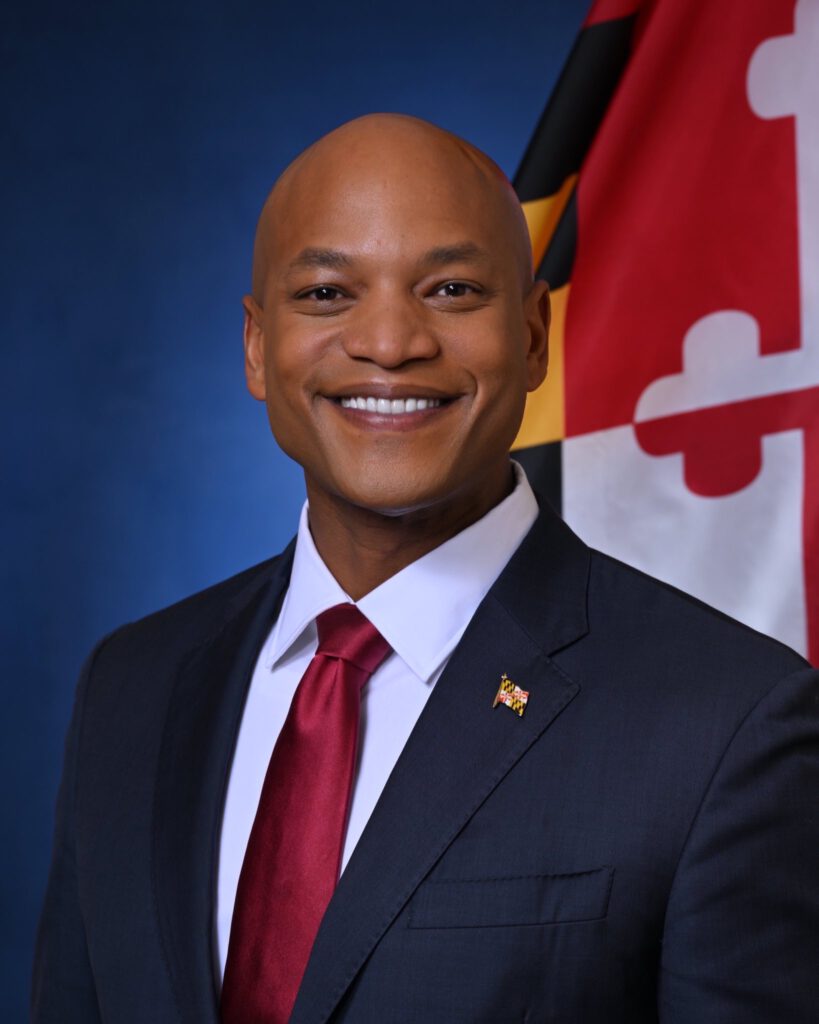
“For nearly four years, I have been the only Black governor of any state. In January, I lose that title.” Maryland Gov. Wes Moore wrote that in a USA Today op-ed after the midterms. “I have never been happier to give something up,” he added.
This week he got to see what he meant. At the National Governors Association’s leadership forum for new governors in Park City, Utah, Moore posed for a photograph with three governors-elect who will take office in January: Keisha Lance Bottoms of Georgia, Aaron Ford of Nevada and David Crowley of Wisconsin. Stacey Plaskett, the governor-elect of the U.S. Virgin Islands, stood with them. Byron Donalds, the Republican who won in Florida, was also on the forum’s list of attendees.
Count them. Moore, Bottoms, Ford, Crowley and Donalds make five Black governors of states serving at once, a first. Until this year, the Associated Press noted in August, only three Black men had ever been elected governor of a U.S. state. Virginia’s Douglas Wilder was the first, in 1990.
Bottoms is the first Black woman elected governor of any state. Ford is Nevada’s first Black governor, Crowley is Wisconsin’s first, and Donalds is Florida’s first.
Why it took this long
The governor’s office has been harder for Black candidates to reach than the Senate. Moore told the AP in August that he did not become Maryland’s first Black governor “because the Democratic Party said, ‘I think it’s time for us to put Wes Moore up in the seat,'” and that “the party is not doing enough,” particularly in Southern states. Stacey Abrams, who lost two races for Georgia governor, said Black women “have not been executives, and the absence of that proof point becomes a self-reinforcing philosophy.”
That is the part of the number that matters. Moore’s own complaint is that the party leans on Black voters more readily than it hands one of them the nomination. This year, in three states, it did.
Not all five come with the same politics. Donalds is a Republican, and Black voters did not back him in large numbers: as we reported, only 13% of them chose him. A first is a first, and we say so. But the four Democrats are the ones with a mandate from the people who built the coalition, and they will be judged on what they do with it: Medicaid expansion in Georgia, affordability in Nevada, and what Crowley, who ran Milwaukee County, does for Black Wisconsin.
The governors will be sworn in starting in January. The question for Black voters is the one Moore’s quote leaves open: whether five is a milestone or a beginning, and whether the party that waited this long will back the next candidate sooner.
Have your say