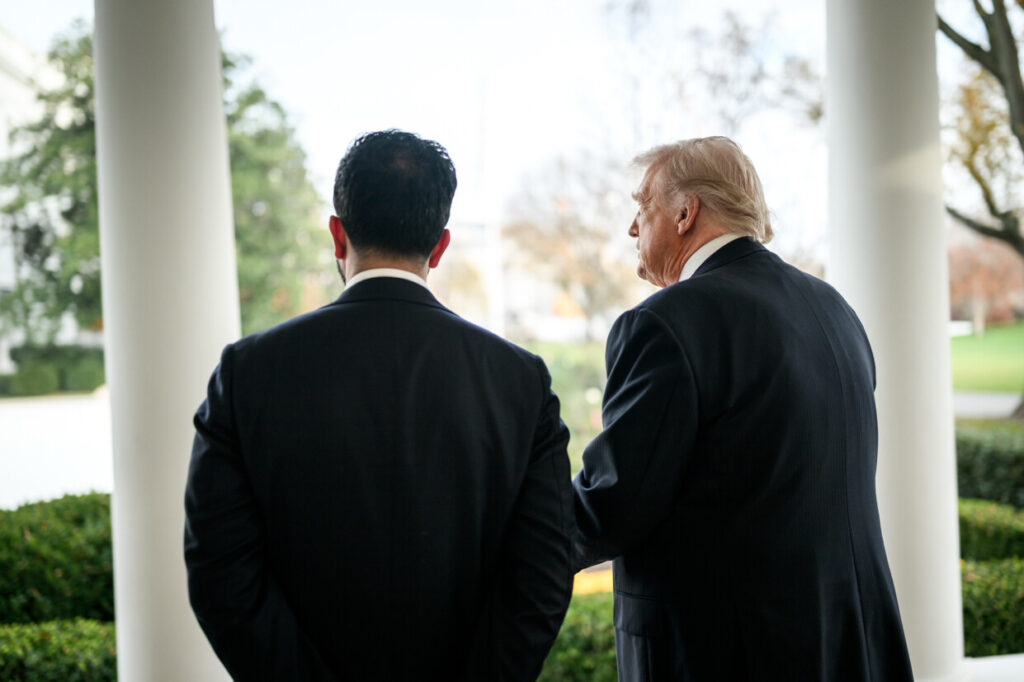
New York City’s 10,000 bodegas and corner stores will get 90 more days before the federal government can strip them of the right to accept food stamps. Mayor Zohran Mamdani announced Friday that he had won the delay in talks with President Trump and Agriculture Secretary Brooke Rollins, and it applies to small retailers in every state.
The stakes are in the neighbourhoods where these stores are often the closest place to buy food. About 1.6 million New Yorkers receive SNAP, the Supplemental Nutrition Assistance Program, and nationwide the figure is 36 million. Black households make up nearly one in four SNAP participants, according to USDA data, so a rule that thins out where benefits can be spent lands on them early. Bodegas and small grocery and convenience stores are about 70% of SNAP retailers across the country.
The USDA rule, finalized in May, took effect Nov. 4. It requires authorized stores to stock at least seven varieties in each of four categories (dairy, grains, protein, and fruits and vegetables), up from three. Stores must also carry perishables in at least three categories. A shop with one refrigerator and a few shelves can fail that test without ever having sold anything unsafe. A store that loses authorization has to wait six months to reapply.
The stores have a lot to lose. SNAP purchases account for 15% to 20% of a typical bodega’s sales, and some Bronx stores report up to 30%, according to amNY. Lose the benefit and many of those shops lose the margin that keeps them open, and shoppers lose the nearest place to spend it.
“I am grateful that President Trump has agreed to delay beginning enforcement of this rule,” Mamdani said.
The delay changes the calendar, not the rule. Mamdani said the city will help owners find the gaps in their inventory and connect them with distributors. That is useful work. But nothing reported about the deal says Washington will pay for a single refrigerator or case of stock.
Our view is plain. A food rule that threatens the stores closest to SNAP families, with no money attached for the owners who must meet it, protects no one’s health. If Washington wants better food on those shelves, it should pay for it. The 90 days run into February, and that is when the stores will learn whether the rule is enforced as written.
Have your say