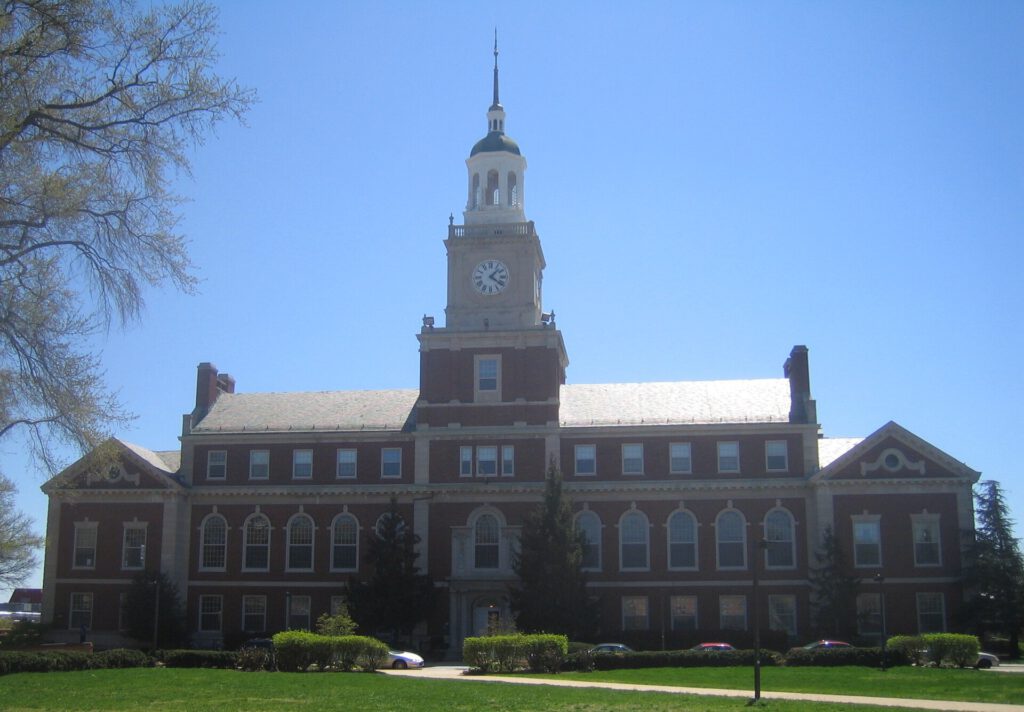
When Avery Bernard Johns went looking for missing Black women and girls in Washington, D.C., the federal missing-person records gave her 37 cases. She kept going. Her public database, Deadlining, now documents 186 cases from 1961 through 2025.
Johns is a junior at Howard University. The distance between 37 and 186 is the story: a student with public records and persistence has assembled a far fuller count of Black women and girls lost in the nation’s capital than the federal files she began with.
The project began with one child. As Black Enterprise reported, Johns developed it after struggling to find official records on the 1961 disappearance of Hattie Yvonne Jackson, who was 6 years old. More than 60 years later, a Howard student could not find the paper trail for a missing Black girl.
She hit the same wall again. Her sources were incomplete, and she found that some older police records had been discarded. Where a department throws out the file, the only memory left is whatever a family or a newspaper kept.
So Johns built the memory herself. Deadlining, hosted at deadlining.org, sets each case alongside historical housing maps, census data and neighborhood information, so a reader can look for geographic patterns as well as individual names. It is meant for families, researchers and journalists chasing cases that were overlooked. The Root has also reported on the project.
Deadlining does not solve any of those cases. It does what has to come first: it writes each name down in one place so it cannot be quietly lost again. Black women and girls disappear in cities across the country, and too often their cases draw little attention and little data.
What should happen next is plain. D.C. police and the agencies that feed federal missing-person records should check Deadlining against their own files, explain why a student’s count is five times the one she started from, and stop discarding old case files.

Have your say