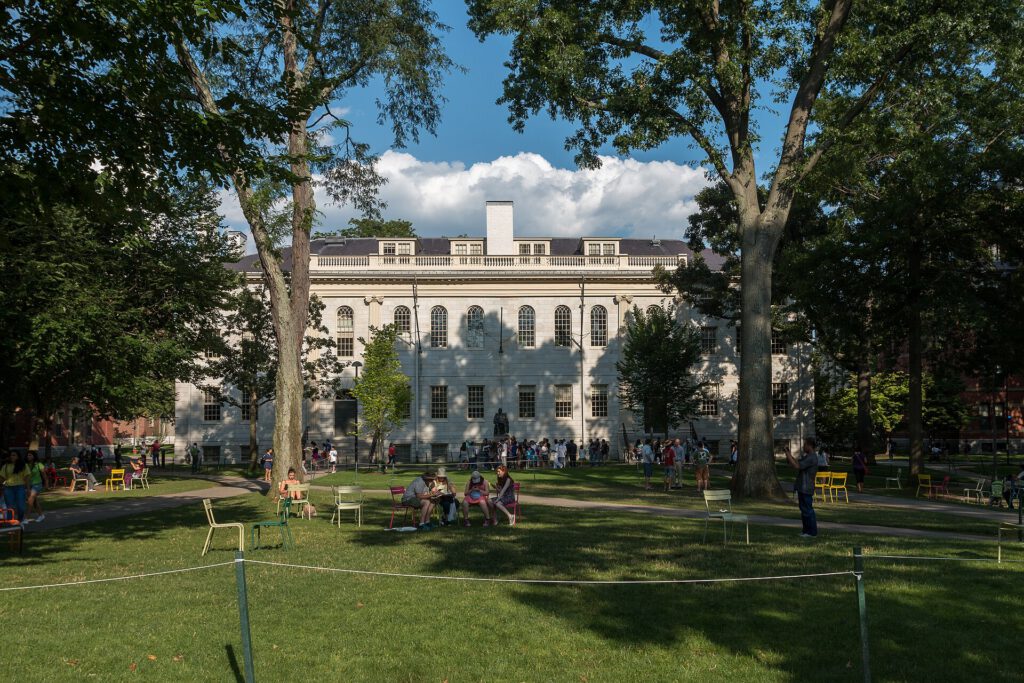
Black students are 9.3% of Harvard’s Class of 2030, according to the university’s admissions data published this week. The last class admitted before the Supreme Court ended race-conscious admissions was 18% Black.
That is a share cut nearly in half in three years, and it fell again this fall. Harvard’s Black share was 14% in the Class of 2028 and 11.5% in the Class of 2029, as The Harvard Crimson reported. The 2023 ruling in Students for Fair Admissions v. Harvard barred colleges from weighing race in admissions.
Yale’s numbers point the same way. Its Class of 2030 is 10% Black, down from 12% last year and 14% two years ago, the Journal of Blacks in Higher Education reported. That is the lowest share of any of Yale’s last 10 first-year classes.
It is not the same everywhere. Princeton’s Black share rose to 8.9% this fall, and Columbia’s edged up to 13%, according to reporting that cites The New York Times. But at the two schools with the longest records in this fight, the direction is clear.
Harvard’s applicant pool grew while its Black share shrank. The college received 55,104 applications, up 15% from 47,893, and admitted about 3.7%, down from 4.18%. More people competed for the same seats, and fewer of the winners were Black.
Harvard’s Asian American share rose to 43.2% from 41% a year ago and 37% two years before that. Hispanic and Latino students are 11.4%.
One caution on the comparison. Since the Class of 2028, Harvard has calculated its percentages only from students who reported their race, rather than from the whole class. About 9% of this year’s class did not report. The method change does not explain a drop of this size, but it means the earliest figure is not measured exactly like the latest.
The Crimson quoted a Harvard spokesperson saying the Class of 2030 “carries that tradition forward.” The statement did not address the decline in Black enrollment.
The numbers matter beyond Cambridge and New Haven. Harvard and Yale supply a large share of the country’s judges, senators, executives and tenured professors. A smaller Black presence in their classes today shapes who sits in those rooms in 2040.
Both schools will publish their next class profiles next fall.

Have your say