The Justice Department told California to set aside more than 20,000 mail ballots from voters it calls “likely” noncitizens. When Los Angeles County checked 200 of those names, 112 turned out to be canceled or inactive registrations, and more than a quarter listed a U.S. birthplace, according to CBS News.
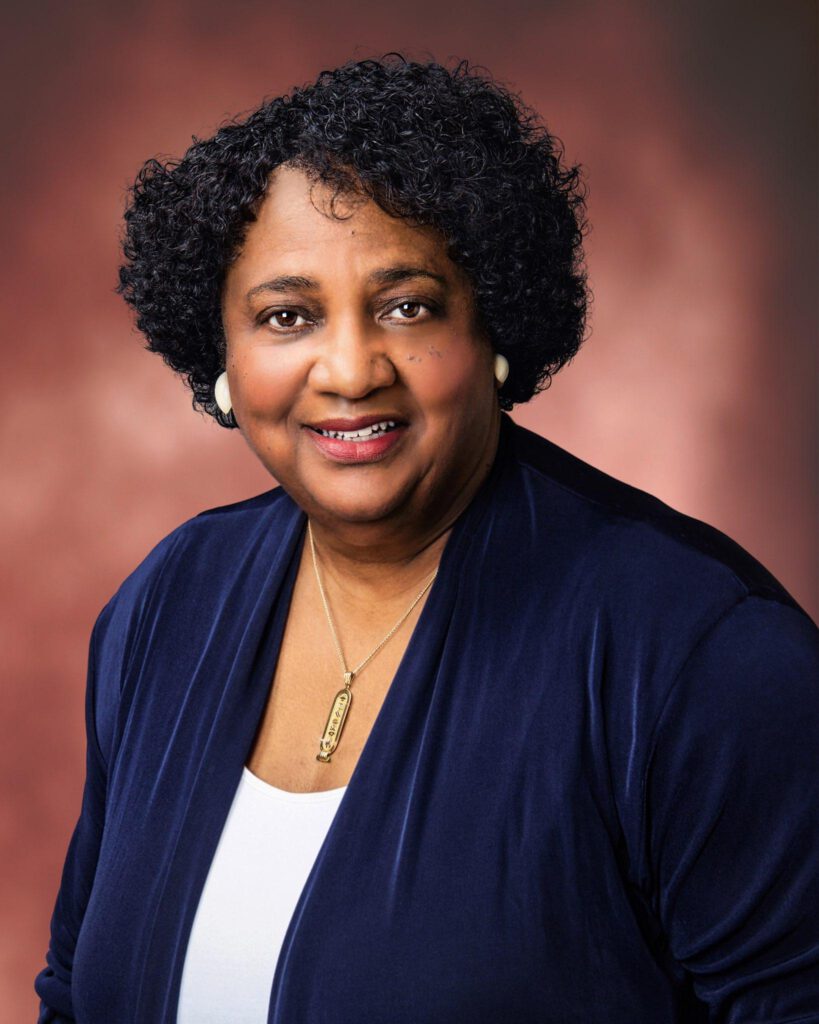
A federal appeals court on Monday refused to order the ballots set aside, in a 2-1 decision. The fight now returns to a district court in California, with a hearing set for Tuesday and the Nov. 3 election days away. The state’s chief election officer is Shirley Weber, California’s first Black secretary of state, and she is a named defendant.
The Justice Department sued on Oct. 15 after saying California missed a 48-hour deadline to review a password-protected thumb drive holding the names. California says the department has not disclosed how it built the list. Weber called the demand one that threatens “thousands of Californians’ right to vote, based on unverifiable information.”
Attorney General Rob Bonta pointed to the federal government’s own shifting numbers. Homeland Security cited 190,000 possible noncitizens in the summer. The figure in court is 20,000. “What happened to those 170,000? They just got those wrong,” Bonta said. California also cited a Nevada case in which federal officials flagged nearly 16,000 possible noncitizens, all of whom were later confirmed as citizens.
Judges Mark Bennett and Gabriel Sanchez ruled the Ninth Circuit lacked jurisdiction and said the Justice Department had not given the district court an adequate opportunity to act first. They wrote that “the United States’s claimed emergency, at least in part, is a self-constructed one.” Judge Patrick Bumatay dissented, writing that “the federal government has a sovereign interest in safeguarding federal elections and ensuring that the votes of noncitizens do not undermine our electoral results.”
California’s lawyer, Sam Siegel, told the court at Sunday’s emergency hearing: “It has no basis in law or in fact. We just dispute the premise that noncitizens are voting.”
Why the list matters to Black voters
Neither the Justice Department nor California has published a racial breakdown of the 20,000 names, so no one can say who is on it. What is established is the method’s track record: lists built by matching records, without a public process for challenging them, produce mistakes, and the people wrongly flagged are the ones who have to prove they belong. Black voters know the pattern. Poll taxes, literacy tests and mass eligibility challenges were all sold as protecting the ballot box, and they were aimed at Black citizens.
Any list that sweeps in naturalized citizens would also reach Black immigrants from Haiti, Nigeria, Jamaica, Ethiopia and elsewhere, who are American voters by law. Los Angeles County had processed about 550,000 mail ballots before the case reached court, and checking all of the state’s 2.75 million against the list would take roughly 140,000 hours of work, according to Fortune’s account of the hearing.
Governor Gavin Newsom called the ruling a “welcome speed bump” in what he described as Trump’s “assault on democracy.” The Justice Department can ask the full Ninth Circuit to reconsider. Tuesday’s district court hearing is the next test.
Have your say