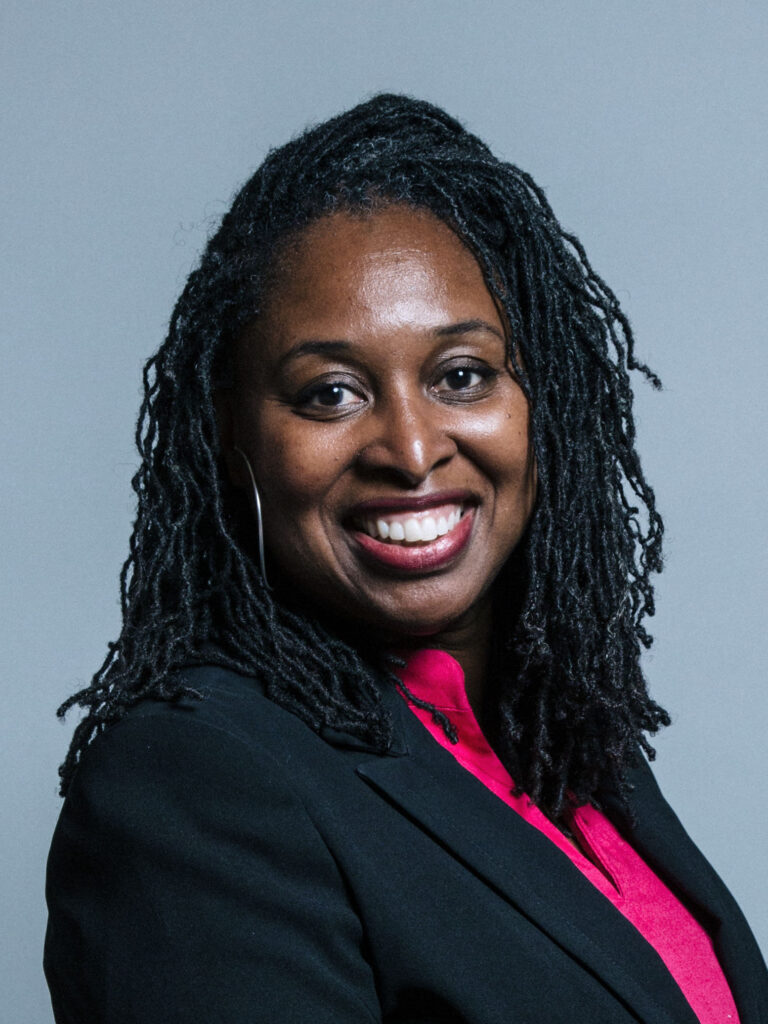
Dawn Butler stood up in the House of Commons during a Black History Month debate and argued that Britain should pay reparations for slavery. After she posted the speech online, the Labour MP says, she received “thousands of abusive messages.”
Butler, the first Black woman to speak at the dispatch box, told Parliament on Monday that a post by Conservative frontbencher Neil O’Brien set off “a racist pile-on.” A Black woman in public office made an argument about wealth built on the enslavement of Africans, and the abuse arrived within days.
What she said
Butler called for the UK to address “stolen labour, stolen wealth, stolen land or stolen opportunity.” Her case rested on inheritance. “A stolen watch doesn’t become yours just because you pass it down to your children,” she wrote when she shared the speech. “So why apply a different rule to stolen labour, wealth and land? Reparations are about inherited benefit and inherited loss. Time doesn’t erase injustice.”
What O’Brien said
O’Brien, the Conservatives’ shadow minister for policy renewal and development, replied on X on Friday, Oct. 23: “If you want to tax my constituents more to fund random handouts to your mates overseas then yes, that is ‘stolen wealth’.”
Butler said she was troubled by the phrase “your mates overseas.” She asked in the Commons: “Who exactly are my mates overseas?” She called the post “racially charged.” O’Brien then posted that he had asked her why she was demanding his constituents “pay more tax to fund ‘reparations'” and that she “wouldn’t answer, but called me a ‘racist’ in the Commons.” The Speaker, Sir Lindsay Hoyle, asked MPs to “think about the language and the words that we choose.”
Why the Caribbean is still asking
The argument Butler made in Westminster is the one Caribbean governments have pressed for years. The 15-nation Caribbean Community, CARICOM, has a Ten-Point Plan for Reparatory Justice. It asks for a formal apology, education and public health programs, development programs for Indigenous peoples, repatriation and resettlement options, debt cancellation and monetary compensation. Sir Hilary Beckles, who chairs CARICOM’s reparations commission, said during its July visit to London: “We in the Caribbean remain the most colonised part of the world, and this has to stop.”
Keir Starmer’s government has said no each time. In early September Jamaica petitioned King Charles III to refer three questions to the Privy Council: whether enslaving Africans in Jamaica was lawful under English law, whether it broke international law, and whether the UK now owes reparations. A Downing Street spokesperson replied that the UK “does not pay reparations and will not do so.” The government calls slavery “abhorrent” and says it will “continue to focus on the future.” In March the UK abstained on a UN resolution that called the enslavement of Africans “the gravest crime against humanity.”
Commonwealth leaders meet in Antigua and Barbuda in November.
Have your say