
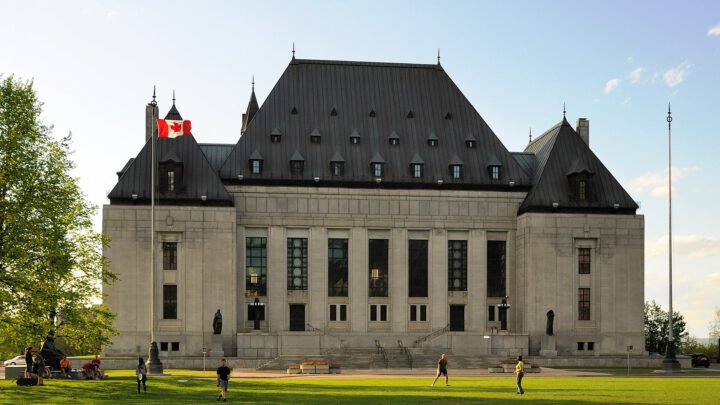
New York’s highest court ruled 4-3 on Monday that the families of the Black people killed at a Buffalo supermarket cannot sue the social media companies they say fed the gunman’s hatred. The families’ lawyers say they will now look to state and federal regulators.
On May 14, 2022, a white supremacist killed 10 Black people at the Tops supermarket on Jefferson Avenue and wounded three more. They were Roberta Drury, Margus Morrison, Andre Mackneil, Aaron Salter, Geraldine Talley, Celestine Chaney, Heyward Patterson, Katherine Massey, Pearl Young and Ruth Whitfield. Survivors and relatives sued Meta, Alphabet, Reddit, Snap, Discord, 4chan and Amazon’s Twitch, arguing that products built to hook users pulled the gunman, then 18, into racist content and kept him there.
The Court of Appeals did not decide whether that was true. It held that the four lawsuits “fail to establish that the shooter’s actions were a natural and foreseeable consequence of these defendants’ decisions about how to design and operate their platforms.” The majority also did not rule on whether Section 230, the federal law that shields platforms from liability for what users post, protects design choices. A lower court had leaned on that law in dismissing the claims.
Judge Jenny Rivera, joined by Chief Judge Wilson and Judge Troutman, dissented. The three would have let the families go forward and try to prove their case. “No federal or state law requires that we slam the courthouse door on plaintiffs’ claims,” Rivera wrote.
Matthew Bergman, a lawyer for the family of Heyward Patterson, said the families are assessing their legal options. John Elmore, who represents other families, said the ruling makes the country less safe and questioned the court’s line between people harmed directly by a product and people harmed by what a user does after it.
That line matters to Black readers more than most. The families did not ask a court to ban anyone’s speech. They asked to put the companies’ own design decisions in front of a jury, in a case about a massacre aimed at Black shoppers, and a one-vote majority said no.
The gunman’s federal hate crime trial is next. He faces 27 federal charges, and prosecutors are seeking the death penalty. Jury selection began in October, and the trial is expected to begin in December and run into February. He will answer for what he did. The companies whose platforms the families say shaped him will not be asked a single question under oath, and a court that could have made them is the reason.
Have your say