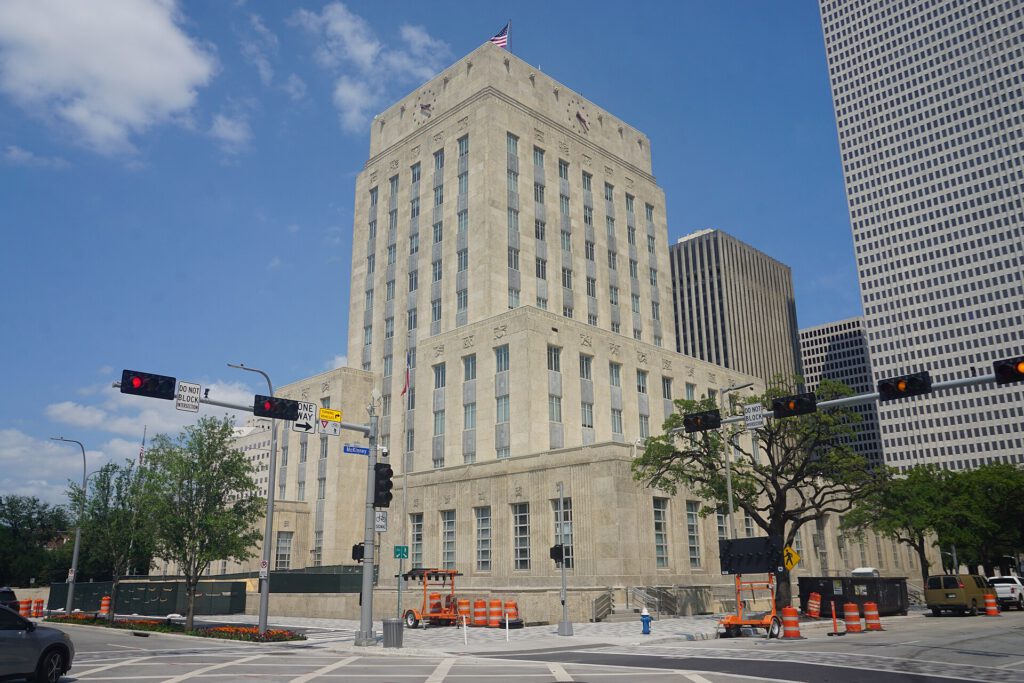
Houston voters told their police to make marijuana possession the lowest priority. The department’s own arrest numbers say it had become one of the busier ones, and the people arrested were mostly Black.
Misdemeanor cannabis possession arrests in Houston have risen nearly 1,200% under Mayor John Whitmire, according to a Houston Public Media analysis of records it requested: about 440 a year, against about 35 a year from 2021 through 2023. The Defender, Houston’s Black newspaper, reports that Black residents made up about 74% of marijuana arrests from 2021 to 2025, in a city where it says they are under 25% of the population. That racial figure is the Defender’s own reporting.
The Defender counts 10 such arrests in 2022, 74 in 2023, 538 in 2024 and 426 in 2025, with 232 more through September of this year. On Nov. 3, Houston voters approved Proposition A, called the Houston Freedom Act, with roughly 70% of the vote. It directs the Houston Police Department to treat Class A and Class B misdemeanor marijuana possession as its lowest enforcement priority and bans no-knock search warrants. City Council formally amended the charter on Nov. 17.
It does not legalize anything. State law still makes possession of two ounces or less a crime punishable by up to 180 days in jail, and officers and prosecutors keep their discretion. The measure also requires a five-year audit of marijuana enforcement, with arrest and citation data broken down by demographics, presented to the council within 120 days of the effective date. The city has not said when that is. Whitmire’s office told Fox 26 “I am still gathering this information,” and the police department said it will work toward policy changes and training before the amendment takes effect.
The mayor says the vote changes little. “The enforcement of low-level cannabis possession is not a priority,” Whitmire has said, and he has pointed to the change of district attorney as the reason cases rose. Harris County District Attorney Sean Teare, in office since January 2025, has opposed prosecuting low-level drug charges, his spokesperson told the Defender, but he must work within state law.
That answer does not explain who was arrested. If marijuana was not a priority, three in four of those arrested were still Black Houstonians, and each of them paid for the contradiction with a booking, a record and a court date. Catina Voellinger of Ground Game Texas, which backed the measure, said the spike “just makes the case even stronger of why we need these policies.”
The audit is the test. Houston will have to publish who it arrested, and the council should make sure the clock starts now, not whenever the mayor’s office finishes gathering information.

Have your say