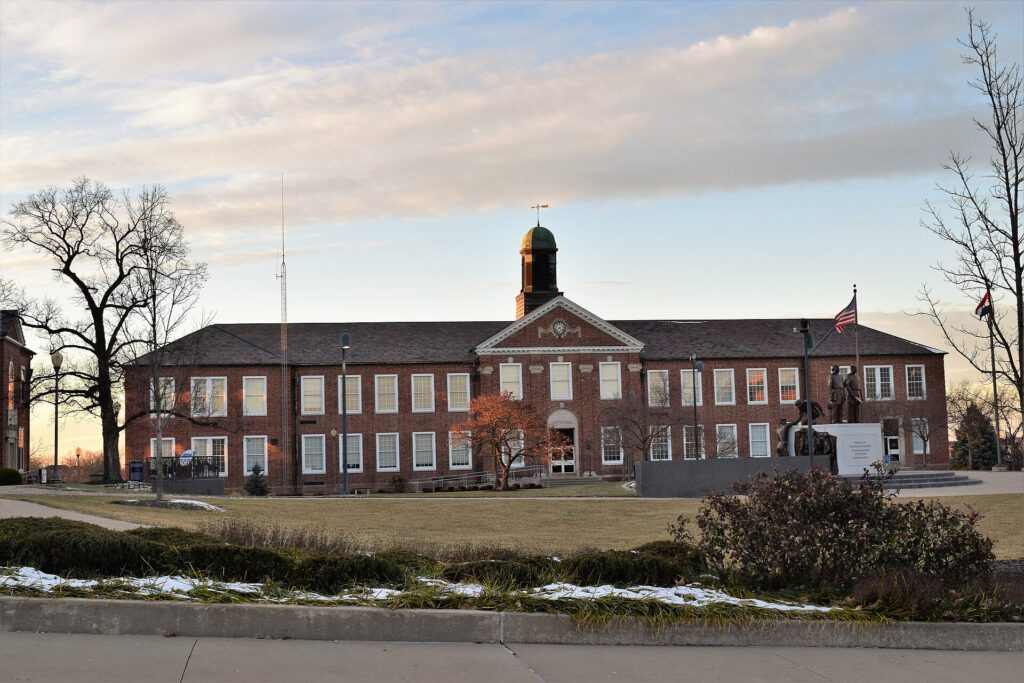
Lincoln University was founded in 1866 by Black Civil War veterans. Missouri, by the federal government’s count, then spent 33 years underfunding it: $361 million from 1987 through 2020, a lawsuit filed Oct. 7 says, citing federal figures.
Seven current and former Lincoln students are asking a court to make the state pay. They want about $549 million for a court-supervised fund to repair the damage at the historically Black university in Jefferson City.
The money is owed under a federal rule, not a favor. Lincoln is one of 19 “1890” land-grant HBCUs, and states that host them are expected to match federal funding in fair proportion to what their flagship white-majority campuses receive. A 2023 Biden administration analysis found that 16 states missed $12.6 billion over three decades. Only Delaware and Ohio funded their Black and flagship land-grant schools equitably.
Lincoln’s own numbers show what a gap like that does. Enrollment has fallen from about 3,400 students in 2011 to about 2,200 today. The University of Missouri’s Columbia campus has roughly 32,000.
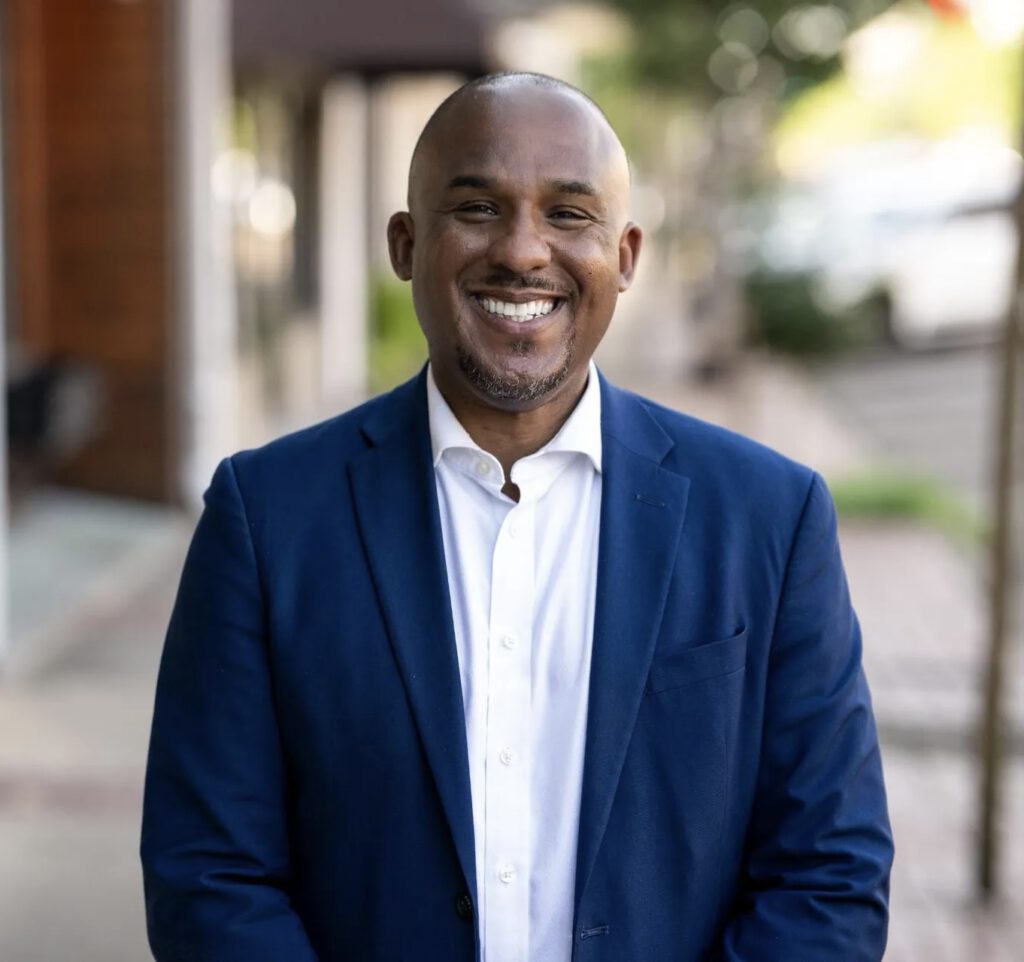
The suit comes from the 1890 Project, a new group that has no major civil rights organization behind it. Donald Calloway Jr., a former state representative, is founder and lead counsel. Kenneth Powell III is lead co-counsel. They call their approach “by any means necessary”: legislation, negotiation or litigation, whichever works. Powell points out that the cause is not partisan, since President Trump’s April 2025 executive order urged states to honor their matching obligations.
“It is very unfortunate that we still live in a climate where, depending on the color of one’s skin, one gets precedence over the other,” plaintiff Jeanneth Johnson said.
Missouri is only the first target. The group says it will go next to Virginia, Arkansas, Maryland, North Carolina, Alabama and Georgia. Georgia is already in the federal findings: a $603 million gap at Fort Valley State University.
No court has ruled, and the suit is a claim, not a finding against the state. But the number at its center is not the plaintiffs’ invention. It comes from Washington’s own review, and it has sat on the books for years while Black students enrolled at campuses that were shortchanged.
The state should settle this one, and the next six legislatures should read the federal numbers before they are sued too. Missouri’s answer in court is the next thing to watch.
Have your say