Maryland voters decide Nov. 3 whether to give their legislature room to redraw the state’s congressional map, after a Supreme Court ruling this spring let Southern states dismantle districts where Black voters had the power to elect their own representatives.
In April, the court ruled 6-3 in Louisiana v. Callais that Louisiana’s map was unconstitutional, sharply weakening Section 2 of the Voting Rights Act, the provision that required states to draw maps giving Black and other minority voters a fair chance to elect their candidates. The fallout came fast. Louisiana lawmakers passed a map that drops one of the state’s two majority-Black congressional districts. Tennessee eliminated its only Democratic-held seat, the majority-Black district in Memphis. Alabama won permission to return to a 2023 map that eliminates one largely Black district, though a court has blocked it again. Governors in Georgia and Mississippi plan their own redraws after the midterms.
Question 3 is Maryland’s response. The constitutional amendment would remove state-level geographic restrictions on how lawmakers draw congressional districts and let the General Assembly give the Maryland Supreme Court original jurisdiction to review a plan. It would allow a new map before the 2028 elections.
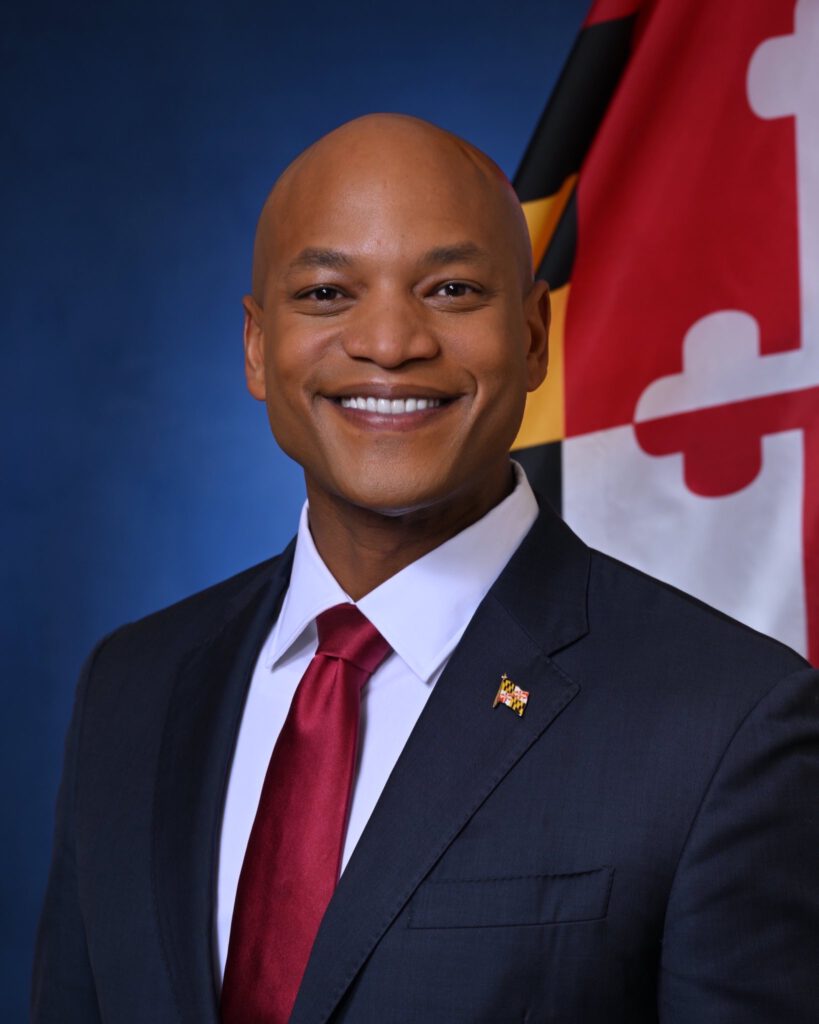
Gov. Wes Moore has made the case in national terms. “I’m seeing how we’re watching a silencing of voices to eliminate our communities’ power,” he said. Of the amendment, he said: “Until that happens, inaction cannot be an option.”
Democrats hold seven of Maryland’s eight House seats. The one Republican, Rep. Andy Harris, represents the Eastern Shore, and a new map could redraw his district out of safe Republican hands. State Senate President Bill Ferguson, who had opposed the idea over the risk of legal challenges, reversed course after the Supreme Court ruling.
Voters are not yet there. A UMBC Institute of Politics poll of 776 likely Maryland voters, conducted Sept. 22 to 27, found 53% opposed to Question 3, 25% in favor and 19% undecided. The poll also found 57% said drawing districts to favor one political party is either something that should not be done or the wrong approach. The coverage of the survey did not report a margin of error or a breakdown by race.
Other groups have released polls with different results, among them surveys commissioned by campaigns on each side of the question, and several found the amendment’s wording hard for voters to follow.
The amendment needs a majority of votes cast on the question. Any new map would still have to pass the legislature and could be challenged in court.

Have your say