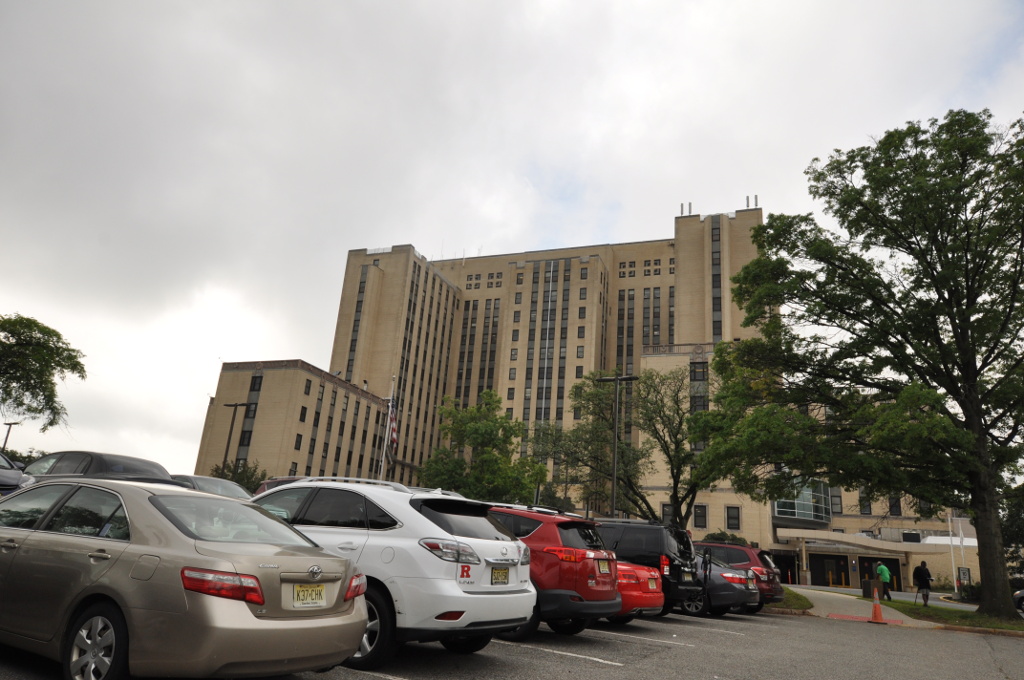
The operating room at the VA hospital in East Orange, New Jersey, closed nine times in a year. Before the Trump administration’s cuts, it closed once. On Veterans Day, that is what the dismantling of the Department of Veterans Affairs looks like from the inside, according to a ProPublica investigation.
East Orange is a majority-Black city, and the hospital serves veterans across northern New Jersey. Black veterans are more likely than white veterans to rely on the VA: NBC News reported, citing VA data, that about 36.5% of living Black veterans receive VA benefits, against 28.4% of white veterans. When the VA hollows out, they feel it first.
ProPublica reported that the VA lost 3,800 “mission critical” employees, including doctors and nurses, in the first six months after Trump took office. By this spring it had about 5,100 fewer, a 3.4% drop. East Orange lost nearly a tenth of its entire staff. The number of positions the hospital classifies as severe shortages tripled, from about 30 to about 90.
The losses are specific. East Orange lost five psychologists, two of its four general surgeons and 18 nurses in the first six months. Both orthopedic surgeons left. It has no wound care specialists, down from three. Radiation treatment was suspended for months after the medical physicist quit. Eight of about 60 general admission beds went offline for lack of nurses, and at one point 17 veterans spent the night in the emergency room.
Two Vietnam veterans are dead. John Falchetto, 80, arrived on Feb. 12 with a burst, gangrenous appendix. The operating room was closed, so he was sent to the Manhattan VA 12 hours later. He died on March 7 of septic shock and cardiac arrest. Another veteran, identified only as Dennis, 72, needed radiation for advanced colorectal cancer. The VA moved him to its private-care program in early August. He died on Sept. 4, more than six weeks into the wait.
The private-care program is the administration’s answer, and ProPublica reported it is short of staff too. VA Secretary Doug Collins told Congress in May: “There is nothing they cannot hire.” VA spokesperson Quinn Slaven told ProPublica: “This Administration is solely focused on measuring VA’s success by how well it serves Veterans.”
East Orange is not an outlier. ProPublica reported similar patterns in Albuquerque, St. Petersburg and Minneapolis, and says 97% of VA hospitals reported severe doctor shortages. Capital B Atlanta found the same strain in Georgia, where the VA has lost more than 1,000 employees, and reported that new mental health patients at VA clinics nationwide wait 210 days.
The administration says it measures success by how well it serves veterans. By that measure, a hospital that sends an 80-year-old to another city with a ruptured appendix is failing, and the veterans it fails include the Black veterans who lean on it most. The VA should be made to fill the posts it cut and to count the deaths that follow. The Democratic majority that takes the House in January will decide whether anyone makes it.
Have your say