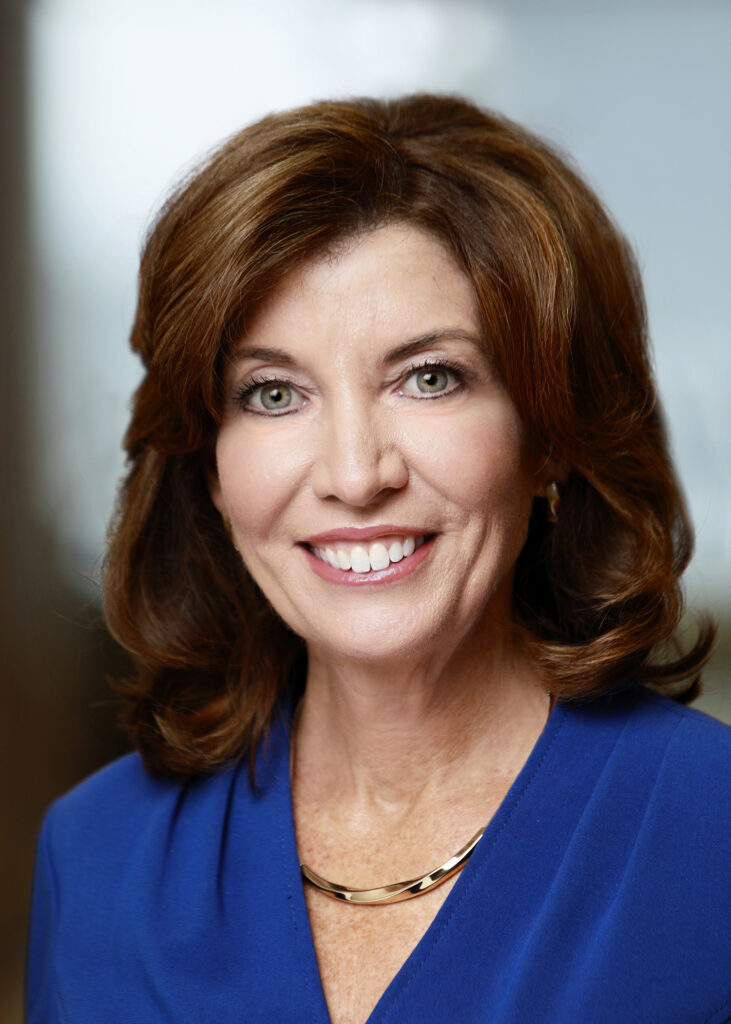
New York Gov. Kathy Hochul said yes to a Trump program that lets donors steer up to $1,700 of their federal taxes to scholarship groups, most of them paying for private school. Now a Democratic state senator wants to take the decision out of her hands, and the NAACP’s New York chapter says the program is built to pull money out of public schools.
Black students were 19% of New York City public school enrollment in 2025-26, so the children who would feel a drain first are largely the ones the NAACP is speaking for. The group warned that support for private education could encourage wealthier families to leave public schools, deepening segregation. “It is not about investing in our students, investing in our children,” L. Joy Williams, president of the NAACP New York State Conference, said. “The point is divestment from public school.”
Hochul announced on Friday, Oct. 9, that New York would join the program, created under the One Big Beautiful Bill Act. Starting Jan. 1, taxpayers can give up to $1,700 to scholarship-granting groups and receive a dollar-for-dollar federal credit. The groups pay for private school tuition or for tutoring and services for public school students. Families earning up to 300% of area median income qualify, which Chalkbeat reported is more than $400,000 for some New York City families.
“I’m not going to leave money on the table when it could help our kids,” Hochul said. She is only the second Democratic governor to opt in voluntarily, after Colorado’s Jared Polis. Chalkbeat reported that she cannot control which scholarship groups operate or limit awards to low-income families.
On Monday, as Chalkbeat first reported, State Sen. John Liu, a Queens Democrat who chairs the Senate’s New York City education committee, said he will introduce a bill moving the decision from the governor to the 17-member Board of Regents, starting in 2028. Scholarships would still flow in 2027. A State Education Department spokesperson said the agency appreciates Liu’s “commitment to preserving the independence of education policymaking.” Liu has called Hochul’s choice a “Faustian bargain.”
The teachers union put the cost in plainer terms. “Gov. Hochul will bear the responsibility, but our students, educators, and families will bear the price,” United Federation of Teachers President Michael Mulgrew said.
Hochul has an argument, and it has an answer. Jorge Elorza of Democrats for Education Reform called opting in a “no-brainer” and said most donations would reach public school families. But the governor cannot control which groups run the scholarships, so no one in Albany can promise Black families in Brooklyn or the Bronx that the money lands in their children’s classrooms. Rhode Island lawmakers have already passed a law requiring legislative approval before their state takes part.
Liu’s bill comes after the decision was made, but it would put the choice with a public board instead of one governor’s deal. The credit starts Jan. 1, and the Regents would not get the say until 2028.
Have your say