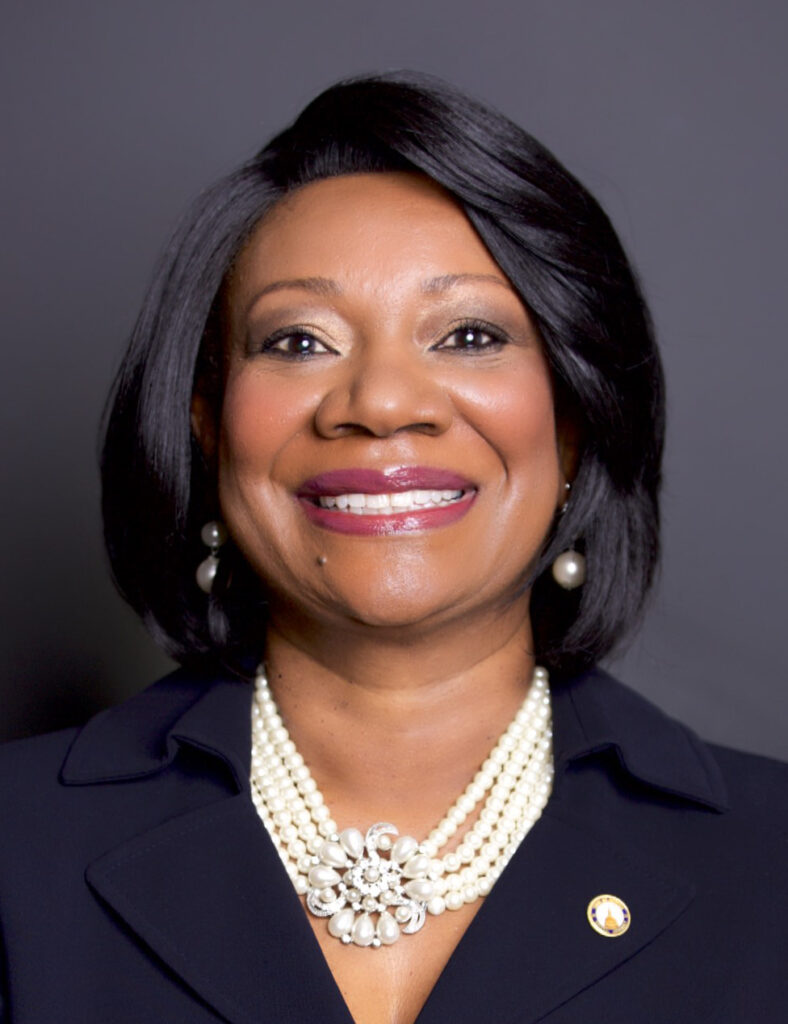
Carolyn Hugley first won her seat in the Georgia House in 1992. For most of the 34 years since, she served in the minority. Now Democrats have flipped the chamber for the first time since 2004, and Hugley, the House minority leader from Columbus, is positioned to become the first woman and the first person of color to serve as speaker.
She is a Black woman who has watched Republicans run the House for 22 years. “I’ve been at these elections a lot of times when we went home crying,” Hugley said, “it was overwhelming.”
Democrats gained 10 seats and defeated at least 12 Republican incumbents to pass the 91 seats needed in the 180-member chamber, according to reporting by the Atlanta Journal-Constitution and local stations. A few races remain within recount margins, and House District 151 goes to a Dec. 1 runoff. The House formally elects its speaker when the General Assembly convenes Jan. 11, 2027, so the job is not hers yet.
The win came with a sweep. Georgia voters also chose a Democratic governor, lieutenant governor and attorney general, and Keisha Lance Bottoms will be the first Black woman elected governor in the country. Hugley’s gavel would put a Black woman at the head of the chamber that writes the budget and draws the legislative maps, in a state where Black residents are about a third of the population.
Hugley is not new to firsts. Her office says she was the first African American to serve as the House’s minority whip, a post she held from 2003 to 2018, and Democrats chose her as minority leader in November 2024.
Her power will have limits. Republicans kept the 56-member Senate, 29 to 27, so nothing passes without them. Lt. Gov.-elect Josh McLaurin, a Democrat, noted that absences alone could decide whether bills reach the 29 votes they need. Gov. Brian Kemp, a Republican, has said he will respect the results and will not call a special session to change powers before January.
Divided government will be Democrats’ excuse, and voters should not accept it as one. Black Georgians helped build this majority after 22 years of Republican control of the House. A speaker who has waited 34 years has the standing to send the Senate her party’s bills on voting rights, schools and health care, and make its Republicans vote them down on the record.
The first test comes Jan. 11, when House members vote on the gavel.

Have your say