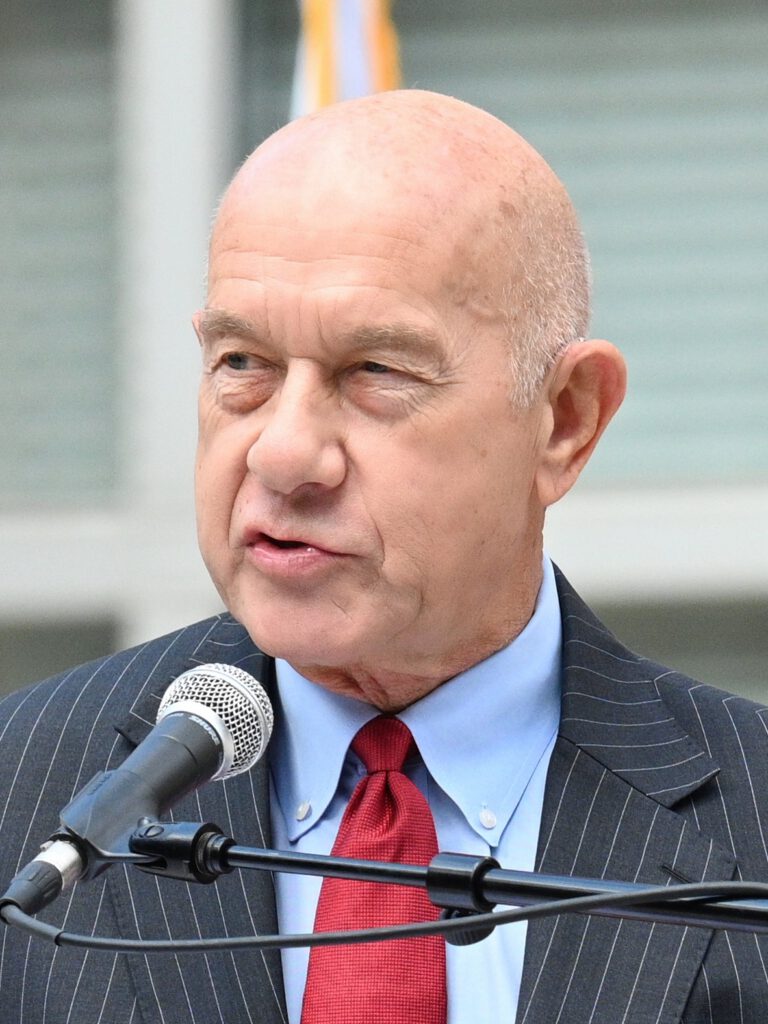
“I’ve said many times, elections matter.” With that, Houston Mayor John Whitmire signed an executive order Friday telling the city’s police to stop treating immigration status as a reason to call ICE. He did it three days after Democrats won the governor’s office in Texas for the first time in more than 30 years.
The order says that “the fact that a person is, or is suspected to be, subject to immigration enforcement shall not, by itself, be a basis to contact ICE.” Officers may bring in federal agents only in narrow cases tied to a jailable offense or an ICE warrant. Whitmire said the change could begin to rebuild trust and reduce “the fear and anxiety” across the city, not only in some communities.
It reverses a retreat he made in the spring. In April the city council passed an ordinance ending the requirement that officers wait 30 minutes for ICE agents holding an administrative warrant, which is signed by an immigration official, not a judge. Gov. Greg Abbott answered by threatening to pull $110 million in state public safety grants, and Whitmire pushed through an amended ordinance that the council passed 13-4. The one piece of the original that survived was a reporting requirement, and it is now the best record of what the arrangement looked like. From April through September, Houston officers contacted ICE nearly 200 times, including at least 36 direct handovers, according to the Texas Public Radio report carried by KEDT. Some of those cases involved people who had called for help during a mental health crisis or domestic violence.
That detail matters to Black Houston. A Rice University survey of the Houston area, run in the fall of 2025, found 25% of Hispanic residents knew someone detained or deported by ICE in the previous six months. Among Black residents it was 9%, about the same as the 8% of white residents. Black immigrants, including the large Nigerian and other African communities in the city, are a smaller share of the people ICE targets, but they live inside the same arrangement: a 911 call that can end in a handover. A family that fears police will not call them when a relative is in crisis, and Black families already have reasons to hesitate.
Cesar Espinosa, executive director of the immigrant rights group FIEL, said the change gives “our community a sigh of relief.” Abbott’s office had not commented on the order Friday. His threat in April covered grants that Houston was counting on, in part for the World Cup games it hosted in June, and the state has shown it will use money to enforce its line.
Whitmire deserves credit for the order, and criticism for the six months before it. He gave way to a threat once, and the data shows what that cost: hundreds of contacts that his own police now report. The order is also an executive action, which the next mayor can undo with a signature. If Houston means it, the council should write it into law while Texas has a governor who will not punish the city for it.

Have your say